01 Day: Arrival Delhi
Welcome at Indira Gandhi International Airport in Delhi, our representative assist and escort the group by a private a/c car and transfer to the pre-booked hotel. After check in, you will be given all the required documents related to your tour plan; he will explain all your queries about the entire tour plan. If you are arriving by morning flight, in the evening witness Light and Sound show at Red fort. The show projects splendid history of 5000 years old city, a truly memorable experience. Return to the hotel for overnight at the hotel.
Light and Sound Show: A spectacular sound and light show at the Red Fort. Which makes the 5,000 years old history of the city come alive. Amidst the tranquility of the splendidly panoramic and historic environs of the Red Fort, select episodes from the annals of Delhi's historic and legendary past are vividly brought to life. Special effects combine with the unique ambience to make this show a hauntingly unforgettable experience.
02 Day: Delhi
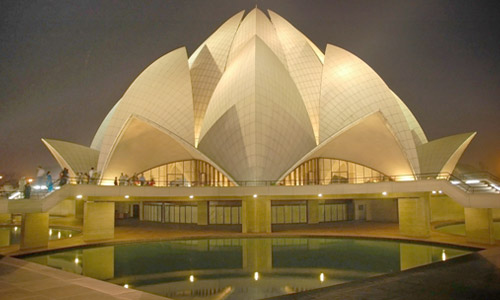
After breakfast, take a sightseeing tour & explore the historic city, starting with Old Delhi: (Shahajahanabad) the majestic Red Fort, a marvel in red sandstone, Jama Masjid, the largest and the most splendid mosque in India, both built by Emperor Shah Jahan of Taj Mahal fame, Rajghat, thememorial of Mahatma Gandhi, where he was cremated. Later take a cycle rickshaw ride through the bustling and colorful bazaar of Chandani Chowk. The sightseeing continues to explore the best tourist attractions of New Delhi including President House (Rashtrapati Bhawan), the regal residence of British rulers; a palace built for British Viceroys. India gate; built to honour and pay a tribute to the Indian soldiers who sacrificed themselves during the Afghan war, then visit Birla Mandir (Laxmi Narayan Temple) built by the Birla family. Humayun’s Tomb, lotus shaped Bhai’s Temple, Qutub Minar; built by Qutub-ud-din Aibek of the Slave Dynasty. Later return to the hotel for overnight stay.
Delhi, the towering capital city of independent and largest democratic country in the world: India. It is one of India's modern and fastest developing cities with charismatic charm on its visitors. Delhi is located and sprawled on the both side banks of Yamuna River. The city is enriched with culture, architecture and human diversity, Delhi city is blend of ancient past of India with vibration of modern world. Delhi houses finest museums, historical monuments, sightseeing places, and temples in the country. Delhi is designed by the British architect Sir Edwin Lutyens (1869-1944) & is tree-lined & spacious. Legend has it that the Pandavas of epic Mahabharata, the august heroes, founded Delhi, in the ancient time around 1200 BC the name of the city was Indraprastha, Delhi is developed and construed time to time on 7 ancient cities of the old age.
03 Day: Delhi – Mandawa (275 kms: 5 - 6 hrs)
After breakfast, checkout from the hotel and drive to Mandawa. On arrival, transfer to the hotel. Later visit the medieval Fort of Mandawa (Shekhwati) gradually rising on the horizon like a mirage. Mandawa is also called the 'open-air art gallery' of Rajasthan. A breathtaking view of the town can be seen from the terrace of Castle Mandawa. Precious collection of arms with jade handles, traditional ceremonial costumes can be seen at the Museum at the Castle. Alsovisit notable havelies: Binsidhar Chokhani, Newatia and Gulab Rai Ladia Haveli. The Binsidhar Newatia Haveli is famous for its inquisitive paintings. The Gulab Rai Ladia Haveli is known for its erotic paintings and images, now mostly defaced. These havelis are like museums built originally as havelis by the wealthy merchants in the olden days. In the evening you can walk around the narrow lanes of the traditional town, sinking in the local life and the colourful bazaar. Later enjoy the traditional music and dance, live performance by the local artist, during the gala dinner. Dinner and overnight at the hotel.
Mandawa: Founded during the mid of 18th century, this town is located in the Shekhawati region of Rajasthan. Mandawa is known for its’ speculative havelies and fort. Mandawa is now a popular heritage hotel with modern amenities. The structure of this palace reminds one of the culture and tradition prevalent in the bygone golden era. The affluent and dominant traders and merchants built gigantic havelis, bejeweled with beautiful wall paintings, for the purpose of their residence. Mythology dominated the themes of the frescoes, animals, dancers, religion, portraits, displaying local legends, hunting and wrestling scenes, etc. including some fascinating paintings portraying Lord Krishna and his cowherds. During the British rule, the subjects were shifted to cars, trains, balloons, hunting, nature, and gramophones.
04 Day: Mandawa – Bikaner (185 kms: 4 - 5 hrs)
After breakfast, visit the Shekhawati region an important town of the years gone by, to see a number of remarkable Havelis and Castles in the nearby towns of Nawalgarh and Laxman Garh. After lunch drive to Bikaner. On arrival, transfer to the hotel. After relaxation, take an excursion to Deshnok, world famous for the Rat Temple. This temple is 600 years old, dedicated to Goddess Karni Mata,& built by King Ganga Singh of Bikaner, the temple is decorated with cared silver gages and marble stone work. Return to the hotel for overnight stay.
Bikaner: The 500 years old city standing still with glorious past is located in Northern part of Rajasthan. The city was founded by Rao Bikaji in 1488; Rao Bikaji was the son of King Jodhaji of Jodhpur. Due to some personal confront with his family, he took the courage to build his own city by adopting a desert and barren land which he then transformed into a charming city called Bikaner. The Rajpoot rulers here built splendid palaces, temples and forts that resonance of magnificence and images of monsoon clouds in this desert land. The city is barricaded by a 7 kms long wall built in 18th century with 5 huge gates around the city. Today it’s a flourishing city of wool, food and milk. Bikaner is known also for the international standard camel breeding farm and the rat temple of Karni Mata. Junagarh and Lallgarh palace are major tourist attractions of the city. Bikaner is also as a gateway to Jaisalmer.
05 Day: Bikaner – Pokhran – Jaisalmer (330 kms: 7 hrs)
After breakfast, take a sightseeing tour visiting the popular and magnificent Junagarh Fort - built by Raja Rai Singh. The fort has around 37 splendid palaces. Within the fort complex, there is a wall of 7 kilometers, 37 bastions and 2 massive gates. Within the fortress lie extravagantly decorated palaces. Amongst the prominent ones are Karan Mahal, Anup Mahal and Badal Mahal. After visit, drive to Jaisalmer. En route halt at Pokhran to visit the massive Fort of Pokharan. The town of Pokhran came to the spotlight when India’s first nuclear test was conducted here in the 1970's. Pokharan Fort was built in 1532-1584 the yellow sandstone, though not as conspicuous as some of the others forts in Rajasthan, it has a few exquisite palaces like the Mangal Niwas, the Rani Mahal and the Phool Niwas or the Flower Palace. Visit the Pokhran Museum, housed inside the fort’s premises. The museum is fairly small and contains a hodgepodge of weapons, pottery paintings, and costumes worn by the Maharajas. After visiting, proceed to Jaisalmer. On arrival, transfer to the hotel. In the evening, you can optionally visit the Gadisar Lake, located in the main city. Take a walk along the beautiful lake or visit the local market to acclimatize with the city atmosphere. Return back to the hotel for overnight stay.
Jaisalmer, the desert town is located on the edge of the Thar Desert and is one of most prominent tourist places of Rajasthan. Also known as the golden city, Jaisalmer is quite popular for the crowing Golden Fort. The city is a fantasy in yellow sandstone founded in the 1156 AD by Rawla Jaisal, a Rajput King. Jaisalmer is known for its golden stretched sand dunes, splendid havelies, camel safari on the thrilling Sam dunes, Jain temples, picturesque Gadisar Lake and of course the royal heritage and culture. A tour of Rajasthan is incomplete without visiting Jaisalmer.
06 Day: Jaisalmer
Today after breakfast, take a city tour of Jaisalmer city, starting with the Golden Fort, also known as Sonar Kila and Jaisalmer Fort. The fort is built on the top of Trikuta hill, having 99 bastions. Amongst the marvelous havelies built by wealthy traders man years ago in the fort, the noteworthy havelies with latticework and stone carving include Nathmal ji Ki Havel, Patwon ki Haveli, Salim Singh ki haveli. If time permits you can visit Amar Sagar and Mool Sagar Lake and temples of Ladawara. In the evening drive to Sam Sand Dunes, the gateway to the Great Thar Desert. Enjoy camel ride on the sand dunes. Optionally you can stay overnight at the Sam Sand Dunes in the Swiss tents, enjoying dinner under the starry night with folk dances and music performed by local artists. Overnight at the hotel / tent.
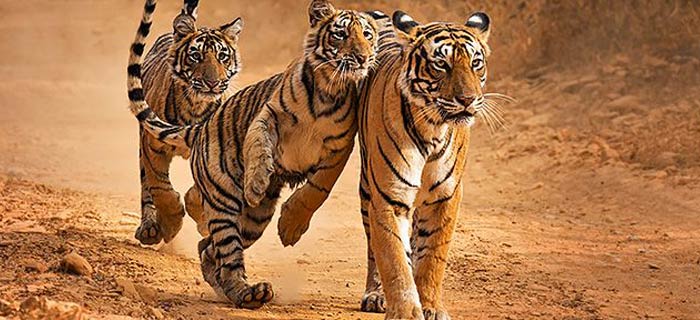
Ranthambhor, hailed as one of India's finest wildlife locations, It was established as a sanctuary in 1959 and included in the very first phase of Project Tiger in 1972. The park derives its name from the fort of Ranthambhor, which sits on a rocky outcrop in the forest. The fort dates back to the 11th century when it was a vital citadel for the control of central India. Though overrun by vegetation, remnants of the summer palaces, temples and guard stones within the fort still remain. Earlier, the hunting preserve of the Maharajas of Jaipur, the Park at Ranthambhor was once the scene of royal hunting parties. Today, it is famous for its tigers and is one of the best places in the country to see these majestic predators in the wild. The tigers can be spotted quite often even during the day, busy in their normal pursuits - especially stalking or hunting and taking care of their young. With the strict measures that have been taken for their conservation, they seem quite accustomed to human activity and are not disturbed.
07 Day: Jaisalmer – Manvar (180 kms: 4 – 5 hrs)
After breakfast drive back from the Sam Sand Dunes to the hotel. After refreshment, check out from the hotel and drive to Manvar in Dechu. This place falls under Shergarh Region of Thar Desert and the highest sand dunes are found in this area. On arrival transfer to the resort, enjoy the rest of the day at leisure. Early evening transfer on the camels for a desert safari till the Manvar Camp Site, reaching the campsite by sunset. In the evening, enjoy folk dance and music under the starlit sky while enjoying theme dinner. Overnight at the Desert Resort.
Manvar, located right in the heart of the Great Indian Thar Desert is an unprecedented tourist destination offering a rare opportunity to enjoy Rajasthan desert life, culture, wildlife & beauty. The Manvar Resort is spread over 5 acres. Constructed using local materials & techniques, the resort consists of 21 well designed stone cottages with thatched roofs, thatched roof eateries, open air courtyard sit outs, book & gifts shop, reading room and a swimming pool. The interiors have been designed as clean and restful spaces. Smooth stucco plaster, patterned mosaic floors, earthy colours combine with customized elements like a woven headboard and bedside lamps, furniture and rugs - all of them being very specific to the desert region of Marwar. Manvar Safaris offer great outdoor adventure and a taste of the Thar Desert. Visitors can choose between camel and Jeep safaris. visiting a typical desert dwelling (Dhani), Mustard and Red Chili fields in the middle of the desert, Craftsmen at work; carpenters, metal smiths, potters, cobblers (Jutti makers), Virgin sand dunes, Desert wildlife; desert fox, Indian gazelle.
08 Day: Manvar – Jodhpur (110 kms: 3 – 4 hrs)
Early morning you may opt to take a jeep safari to explore nearby by desert village to see understand their life style, villagers craftsman, carpenters, metal smith potters, cobblers. After village safari return to the resort to check out and drive to Jodhpur. On arrival, transfer to the hotel. After relaxation, take a sightseeing tour of the city visiting massive the Clock Tower, the massive Mehrangarh Fort, magnificent Jaswant Thada (Mausoleums of the great Rajput King: Jaswant Singh), Umaid Bhawan Palace and museum – India’s one of most imposing and regal palaces, built by Maharaja Umaid Singh, designed by the famous architect Edwardian and Henry Vaughan Lanchester, who constructed this wonderful palace, a fine example of Indo-Saracenic architecture. A part of the palace has been converted into a hotel, one part is the museum and the remaining part is still occupied by the royal family. In the evening, you may choose to dine at ‘On the rocks’at Ajit Bhavan, an open air restaurant with Rajasthani hospitality, offering authentic food and folk music and dance. Later return to the hotel for overnight stay.
Jodhpur: The home of the Rajpoots, (Rathors) this significant city was founded in 1459 A.D. by Rao Jodha. Today Jodhpur is one of the largest cities of Rajasthan and is also known as the white city. The city carries rich heritage and culture and blossoming market and industry of leather goods, handicraft, wood, cattle, salt and agricultural crops. Jodhpur was once upon a time the capital of Marwar state (Northern Part of Rajasthan). Mehrangarh fort, the crowning old palace is a major tourist attraction of Jodhpur. Another pride is the Umaid Bhawan Palace. This grand palace is now converted into a heritage hotel and is the residence of the Royal family of Jodhpur. The palace has witnessed some of the most extravagant weddings of the world’s rich and famous.
09 Day: Jodhpur – Bishnoi Village – Jodhpur (Excursion 25 kms: 45 min one way)
After breakfast, take an excursion to Bishnoi Village. The villagers coming from the Bishnois caste are believed to be the guardians of animals. Bishnois are vegetarians and hence have great reverence for all living things. Then visit to the local handicrafts viz shoe makers, pottery hand weaving watching men in their traditional attire, women clad with ancestral silver Jewellery, en-route watch and photograph the beautiful wildlife - black buck, chinkaras, peacock etc. liberally moving in plenty of care by the local villagers. After visit drive back to Jodhpur for overnight stay at the hotel.
Bishnoi Village: a survivor of a great famine, which raged in 1485, already taught the principles of the ecology of centuries ago. Jambeshwar or Jambhoji, observed that the famine was a result of the deforestation in the region (already at that time!). He formulated a list of 29 rules. Among other things included the rule to not kill any animals, not cut down green trees and to take from the fields only what was needed. These 29 rules (Bish-noi means '29' in the Hindi language) form the base of the Bishnoi-philosophy. They are vegetarians and therefore have great respect for all living things. Sure they keep buffaloes, sheep and goats, but only for the milk, the wool and the manure. The manure is used as a fuel and construction material for their houses. The Bishnoi people accordingly expect that the tourist respect their way of life and customs.
10 Day: Jodhpur – Ranakpur – Udaipur (280 kms: 6 – 7 hrs)
After breakfast, checkout and drive to Udaipur. En route visit the ancient Ranakpur Jain Temples, built in the 12th Century – this group of temples is made of intricately sculpted white marble, with more than 100 beautifully carved pillars, each carved differently from the other. Enjoy lunch at Maharani Baugh, one of the best hotels in Ranakpur. Later continue to drive to Udaipur, on arrival transfer to the hotel. In the evening you may walk through the old narrow streets of the city or simply enjoy a boat ride at Lake Pichola or a dinner at one of the most luxurious hotels of Udaipur ‘Taj Lake Palace’ (on your own). Overnight at the hotel.Udaipur: One of the most romantic and beautiful cities of North India, the city was founded in 1568 AD by Rajput King Udai Singh. Located on the banks of the shimmering Pichola Lake, it is one of the most romantic cities of Rajasthan. Udaipur is cuddle up in lush green Aravali mountain range. The city is also known as the ‘Venice of the East'. It is a kaleidoscope of wonderful lakes, enchanting temples, lake side gardens, amazing forts and palaces and narrow lanes reflecting its historical past. Udaipur characterizes chivalry and valour of the Rajpoot clan who had ruled this city for years.
11 Day: Udaipur
After breakfast, take a sightseeing tour of Udaipur visiting the wondrous City Palace complex – a significant landmark of the town. The palace is a splendid white marble historical home of the Rajpoot Rulers. Here you will see notable places like the Durbar Hall, Palace Museum, Crystal Gallery and Jagdish temple, followed by Sahelion Ki Bari, a beautiful recreation garden for queens and princes of the rulers. Bharatiya Lok Kala Mandal, is an ethnic exhibit of traditions and culture of Rajasthan, ethnic ornaments traditional outfits, puppets, masks, dolls, classical paintings, fold musical instruments. In the evening visit to Lake Bageela 22 kms, for a sightseeing tour of the ancient Eklingji and Nagda Temples. Overnight at the hotel.
12 Day: Udaipur – Chittourgarh – Bijaipur (160 kms: 3 - 4 hrs)
After breakfast, checkout from the hotel and drive to Bijaipur. En route halt at Chittaurgarh city, to visit the mightiest and the largest historical fort of India: Chittourgarh - A ruined citadel, where the royal past lives in its imposing forts, graceful palaces and spectacular 'chhatris'. The fort stands as a jaded reminder of the character and bravery of the Rajpoot Clan in Rajasthan & echoes with the tales of romance and valour unique to their tradition. Sprawled over an area of 700 acres, the fort houses historical monuments: Tower of Victory, Rani Padmini Palace, Man Mahal, Mira Temple and several ruins of the temples of Shiva. In the fort complex you will visit Kirti Stambha, Rana-Kumbha Palace, Padmini Palace, Meera Temple and Kumbha Shyam Temple and Kalika Mata Temple, State Archaeological Museum. Later proceed to Bijaipur. On arrival transfer to Castle Bijaipur. This 16th century castle is set in the serene Vindhyanchal ranges. This fort echoes the sounds of many fierce battles of historic importance fought against the Mughals and Marathas. Enjoy the traditional folk dances during your tradition dinner at Castle Bijaipur. Overnight at the hotel.
Chittourgarh, the town known for its massive fort atop hill, crowned on a 6 kms long hill, covers an area of 280 hectares with fortifications, temples, towers and palaces. The city can be singled out for its glorious past and valour, unique to the Rajput tradition. Chittourgarh is a fortified settlement, with a history of witnessing a number of sieges, but refusal to bow before foreign invaders. Tales of the Princess Padmini are told here who was known for her chivalry and beauty.
Castle Bijaipur is a 16th century castle set in the serene Vindhyachal ranges in the Mewar region, near Chittourgarh (Rajasthan, India) and was built by Rao Shakti Singhji the younger brother of the great warrior Maharana Pratap. A wildlife sanctuary adjacent to the castle has leopard, chinkara, spotted and four-horned deer, crocodile and wild boar as well as a variety of birds. Jeep and camel safaris, trekking and camping, visits to the nearby Pangarh fort, boating and fishing in its lotus lake, local tribal folk songs in the evenings are some of the interesting activities arranged here.
13 Day: Bijaipur – Ranthambhore (275 kms: 4 hrs)
After an early breakfast, checkout from the hotel and drive to Ranthambhore, one of the finest tiger reserves of India. On arrival, transfer to the hotel. Later in the afternoon, take a jungle safari with a naturalist guide at one of the best places to sight a tiger in its natural habitat. In the dry season tigers can be seen near the watering holes and are clearly visible in the dry forest. Rest of the evening is free for leisure. Overnight at the jungle resort.
Ranthambhor, hailed as one of India's finest wildlife locations, was established as a sanctuary in 1959 and included in the very first phase of Project Tiger in 1972. The park derives its name from the fort of Ranthambhor, which sits on a rocky outcrop in the forest. The fort dates back to the 11th century, when it was a vital citadel for the control of central India. Though overrun by vegetation, remnants of the summer palaces, temples and guard stones within the fort still remain. Earlier, the hunting preserve of the Maharajas of Jaipur, the Park at Ranthambhor was once the scene of royal hunting parties. Today, it is famous for its tigers and is one of the best places in the country to see these majestic predators in the wild. The tigers can be spotted quite often even during the day, busy in their normal pursuits - especially stalking or hunting and taking care of their young. With the strict measures that have been taken for their conservation, they seem quite accustomed to human activity and are not disturbed.
14 Day: Ranthambhore
Today morning, take a Jungle Safari accompanied by an expert naturalist to explore The Ranthambhore wildlife Sanctuary. Return to the hotel for breakfast. After rest and relaxation, drive to the Ranthambhore Fort, overlooking the National Park and Jogi Mahal. Also visit the famous Temple of Ganesha in the Fort. Rest of the evening is free for leisure activities at the jungle resort. Overnight at the jungle resort.
15 Day: Ranthambhore - Jaipur (180 kms: 4 – 5 hrs)
After breakfast, check out from the jungle resort and drive to Jaipur. On arrival, transfer to the hotel. Jaipur is worldly famous for hand woven carpets, precious stones, handicrafts, marbles, textiles, blue pottery, handmade papers amongst many others. In the evening you can explore the bustling market by hoping onto a cycle rickshaw ride. Overnight at the hotel.
Jaipur is widely known as the ‘Pink City’ of India. The walls, houses and buildings of the entire city were washed with pink colour for a grand and royal welcome of Prince Albert and Queen Victoria of Britain, who visited Jaipur in 1853 A.D. This splendid city as was founded in 1727 A.D by one of the greatest ruler Jai Singh II. Jaipur is surrounded by hills on three sides. Jaipur is the only city in the world, which is designed in accordance with Hindu architectural science called Shilpa Shastra. The city had been designed in rectangular shape of 9 blocks, depicting the 9 partition of the universe. This fascinating city houses - majestic forts, grand palaces, lavish gardens, havelis and museums. While visiting these places you will have a true vision of the royal golden past of Rajasthan.
15 Day: Jaipur
Today after breakfast explore the Pink City with an excursion to splendid Amber Fort, situated just outside the city, built in the 15th Century by Rajput King Man Singh. Later visit another mighty and majestic Nagargarh fort, close to Amber fort. Later drive back to the main city to visit the imperial City Palace - present residence of the royal family of Jaipur, the palace is a miraculous representation of the real Rajasthani and Mughal architecture. The incredible Jantar Mantar was innovated and constructed by Jaipur King Swai Jai Singh. Amongst the 5 observatories built by him, Jantar Mantar in Jaipur is one of them. The splendid Hawa Mahal, also known ‘Palace of Winds’ was built with a concept for the woman of royal families to speculate the royal ceremonies and festivals being hidden from the public eyes. Also visit the modern & artistic, Birla Temple, with its white shimmering marble glittering in the night. In the evening you can visit to Amber fort to see the Light and Sound Show: holds the history of a citadel, pulsating with a legendry past of 600 years & 28 kings of the Kachhwaha dynasty, before their capital moved to Jaipur. Through their unique diplomacy of strategic alliances & their valour & strength. Later return to the hotel for overnight stay.
16 Day: Jaipur – Fatehpur Sikri - Agra (240 kms: 4 - 5 hrs)
After breakfast, checkout and drive to Agra. Enroute stop over at Fatehpur Sikri, the old deserted town of the Mughal kingdom, built in red sandstone in honour of Saint Salim Chisti who blessed birth of 3 sons to Emperor Akbar. It is an example of robust stability combined with originality. Each important structure here represents a type by itself. Notable among them is the Diwane e Khas; Punch Mahal, the Tomb of Salim Chisti, and the Buland Darwaza, one of the largest and tallest gateways in the world. After sightseeing continue to proceed to Agra. On arrival transfer to the hotel for overnight stay. In the evening one should visit the Oswal Emporium to watch the replica of Taj Mahal, which took 10 years for the artists to build. Also enjoy the light and sound show “Mohabbat-the-Taj: the saga of love”, theonly show of its kind in India! Later return to the hotel for overnight stay.
Agra is famous as being home to one of the Seven Wonders of the World - the Taj Mahal. A pleasant town with a comparatively slow pace, Agra is an old city and it is said that its name was derived from Agrabanad, a forest that finds mention in the epic Mahabharata. Agra is known for its superb inlay work on marble and soapstone by craftsmen who are descendants of those who worked under the Mughals. The city is also famous for its carpets, gold thread embroidery and leather shoes. Agra and Fatehpur Sikri, both are conveniently located close to Delhi. Agra Fort, Sikandra, Ram Bagh and Itmad-Ud-Daulah are some of the noteworthy places to visit apart from the famous Taj Mahal.
17 Day: Agra - Delhi (240 Kms: 4 hrs)
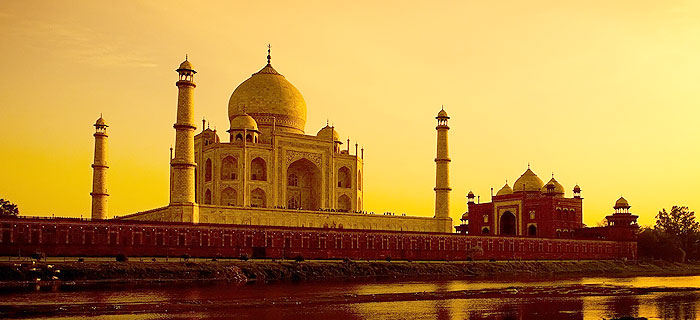
Early morning visit world’s most popular and beautiful monument: Taj Mahal with its’ fabulous view at the time of sunrise. Taj Mahal, a beautiful architectural monument is one of the 7 wonders of the world. This historical masterpiece is an illustration of the fusion of diverse architectural styles. Taj Mahal is the crown of all the lovely buildings in the world and a symbol of eternal love. The tour continues with a visit to Agra Fort. The fort was built in 1576 AD by great Mughal Emperor Akbar, structured and designed with red stoned barricaded; here you will find the splendid Pearl Mosqueand various other classic example of art: Jahangir Mahal, Moti Masjid, Macchhi Bhawan, Nagina Masjid, Diwan-i-Khas, Sheesh Mahal, Diwan-e-Am, and Meena Bazaar. Emperor Shahjahan imprisoned by his rebellious son Aurangzeb in the Musamman Bhurj, would see his love reflecting through the Taj Mahal, where his dear wife was cremated. Later drive to Delhi. On the way stop over to visit the Sikandra to see the Tomb of Mughal Emperor Akbar, a marvelous mausoleum of Mughal Emperor Akbar, spectacularly designed structure of Hindu and Muslim architecture. Later proceed to Delhi, on arrival transfer to the hotel for overnight stay.
Cochin: This harbor city presents a contrast of sorts with its British, Dutch, and Portuguese, Chinese & Jewish influence. Your tour takes you to the Cochin harbor terminus where the Chinese fishing nets present a wonderful sight. Mantanacherrry Dutch palace -- built by the Portuguese & presented to The Raja of Cochin in 1555. The Jewish synagogue -- built in 1568, destroyed by the Portuguese in 1662 & rebuilt by the Dutch two years later, St Francis church -- the oldest Protestant church built in 1510, Vasco De Gama was buried over here.
18 Day: Delhi - Trivandrum (By Air) - Kovalam (16 kms: ½ hrs)
After breakfast, check out the hotel and transfer to the airport to board the scheduled flight for Trivandrum. On arrival at Trivandrum airport, drive and transfer to the hotel at Kovalam beach. Overnight at the hotel in Kovalam.
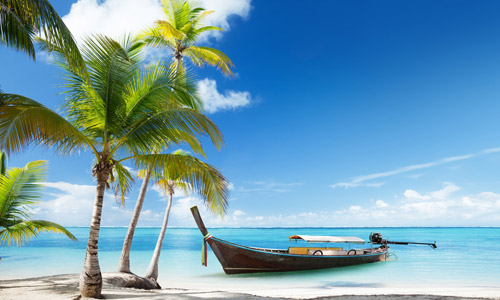
Kovalam: On the Malabar Coast along the Kerala shoreline is a small village; called Kovalam is 16 kms away from Trivandrum, a sheltered bay endowed with unusual beauty. This natural bay is a safe sea-pool free from high waves and surge. The beach resort here is of international standard. Today Kovalam has become one of the most popular beach hangouts in India. Kovalam means a grove of coconut trees and truly the coconut trees along the beaches gives it a paradise of nature.
19 Day: Kovalam – Kanyakumari (Excursion 85 kms: 2 - 3 hrs one-way)
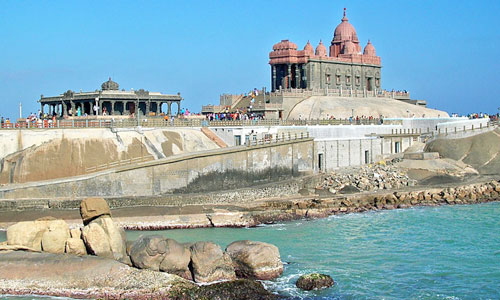
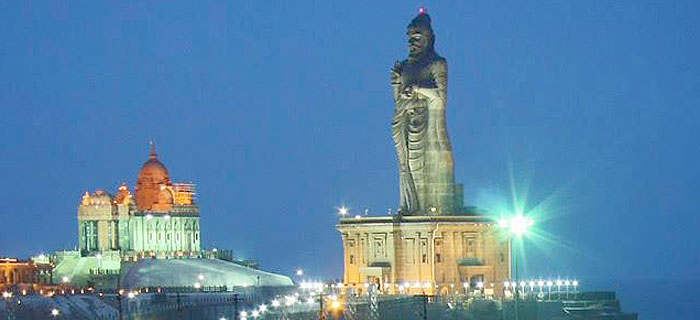
Today morning after breakfast take an excursion to Kanyakumari. En route take a sightseeing tour of Trivandrum city, the capital of the state of Kerala is a beautiful seaside city built on seven hills. The famous Sri Padmanabhaswamy Swami Temple is dedicated to Vishnu and is a landmark in the city. If time permits, also visit Horse Palace, Sree Chitra Art Gallery, and Padmatheertha Kulam (Temple Pond). Later continue drive to Cape Camorin also known as Kanya Kumari, this place is at the tail tip end of India, one can see the 3 seas meet over here Arabian Sea, Indian Ocean & Bay of Bengal, take a sightseeing tour of Kanyakumari visiting the biggest attraction Vivekananda Rock Memorial is one of the most interesting places to see in the southern part of India, it is a fort and an island. Other places you can explore Kumari Amman Temple, Gandhi Mandapam. Later drive back to Kovalam for overnight stay at the beach hotel.
Trivandrum owes its name to the Lord Vishnu the guardian deity of the city. The Maharaja of Travancore till date pays homage at the Padmanabhan Swamy Temple that enshrines the image of Lord Vishnu, reclining under the hood of "Anantha" the great serpent. Trivandrum is also known Thiruvananthapuram; the city is located in the South of the state and bordered by Tiruneveli in the East, Kanyakumari to the South and Kollam district located to its North. The city has a rich tradition of nurturing art and culture since ancient times. Kovalam is one of the most picturesque beach of Trivandrum, which is among the best beaches in India. Sunrise and sunset on the beach gives an overwhelming experience for any nature lover.
Kanyakumari - Referred to by the British as Cape Commorin, Kanyakumari in the state of Tamil Nadu is located at the Southern, most tip of the peninsular Indian. The small temple dedicated to Kanyakumari, or the youthful form of the primeval energy Shakti (Mother Goddess) is located on the seashore, in the town known by the same name. Kanyakumari is the point of confluence of three oceans - the Bay of Bengal, the Arabian Sea and the Indian Ocean. This well-known Hindu pilgrimage center is famous for its beautiful sights of sunrise and sunset over the waters.
20 Day: Kovalam
Today morning after breakfast enjoy the beach actives swimming at the Kovalam beach is the rejuvenating and a relaxing experience. Water skiing is just like the snow skiing where you the vast space to enjoy and Kovalam beach is the good option to try to water skiing. You may opt to enjoy Angling, Para-sailing and Surfing at the beach. You can also experience world famous Ayurveda massage and treatment offers at the resort, this is not merely to relax you, also rejuvenates your mind, body and soul. Overnight at the beach hotel in Kovalam.
Alleppey, situated in south of Cochin, is the center for backwater cruises in Kerala. It has a large network of canals, which passes through the town, provides its lifeline & has a long sandy beach. It is also the center of the famous coir products of Kerala. Nehru Trophy Boat Race - the most colorful snake-boat race in Kerala - is held here on the second Saturday of August every year.
21 Day: Kovalam - Alleppey (160 kms: 3 hrs) Backwaters tours through sailing boat)
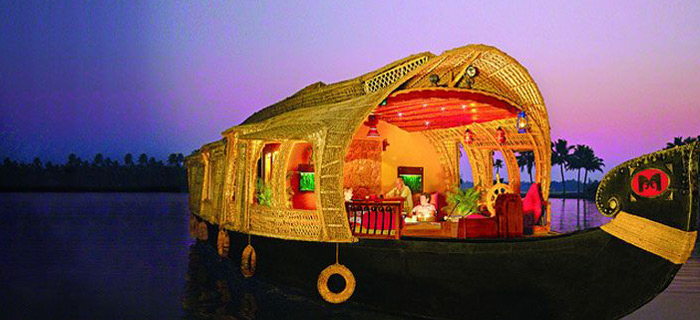
Today morning after an early breakfast, check out thehotel and drive to Alleppey, is known as the "Venice of the East", situated on the Vembanad Lake. On arrival board the kettuvalam (traditional houseboat). The day for the journey of backwaters in the boat, through the tropical countryside enchanting backwaters of Alleppy by regattas (snake boats) for which Kerala is very famous, while sailing enjoy palm fringed narrow canals winding through the vast expanse of paddy fields and the neat tiny hamlets lined up along either side of the canals are panoramic sights one can never forget. The Chinese fishing nets, the reminiscent of our past trade links, are also found on the way. Flocks of duck swimming around the banks and tiny birds flying across the sky remains as enduring pictures reflecting the charm of this tourist land, you also enjoy fishing from the houseboats. The Houseboats have generated electricity; sitting cum dining area, separate bedroom with attached English toilets, sun deck and fully loaded kitchen with a Chef, and Srank (Driver). Dinner and overnight at the houseboat.
Alleppey, situated in south of Cochin, is the center for backwater cruises in Kerala. It has a large network of canals, which passes through the town, provides its lifeline & has a long sandy beach. It is also the center of the famous coir products of Kerala. Nehru Trophy Boat Race - the most colorful snake-boat race in Kerala - is held here on the second Saturday of August every year.
22 Day: Alleppy – Munnar (170 kms: 4 hrs)
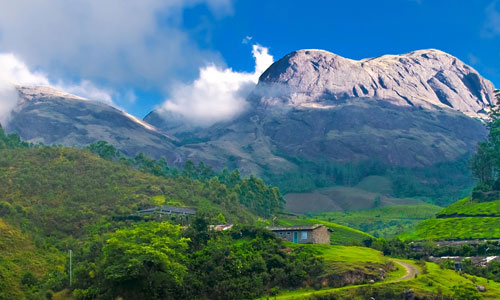
Today morning after breakfast disembark the house boat at Alleppy and drive to Munnar. On arrival, transfer to the hotel. Munnar is located at the Idukki district of Kerala State in India. The word "Munnar" means three rivers. 3 mountain streams (Madurapuzha, Nallathanni and Kundala) are joining together here. During the British rule in India, Munnar was the summer resort of the Government officials. The natural beauty, calmness and mild cold climate throughout the year make it the favorite tourist places. There are about 30 tea plantations in and around Munnar. The tea estates, hills, lakes and forests inside Munnar range expose its beauty. The Munnar hills are covered by tea plants, which make Periyar the feeling of seeing a wide green carpet. Later visit at Eravikulam National Park (15 km from Munnar,) The Nilgiri Tahr can be observed at close quarters here. This park is established to protect the Nilgiri Tahr (Nilgiri Ibex). The park is breathtakingly beautiful and is easily comparable to the best mountain ranges found anywhere in the world. Enjoy the tea plantation and Munnar Lake site. Return to the hotel for overnight stay.
Munnar, the erstwhile 'summer capital of the British', has become the most sought after holiday destination in South India. It is the luxuriant gift of nature to the Western Ghats, the eastern border of Kerala, 5000ft above sea level. Dense forests, wildlife sanctuaries, and major cash crop plantations cover most of this region. Munnar abounds in animals like elephants and Nilgiri Thar and rich biodiversity teeming with flora and fauna.
23 Day: Munnar
Today morning after breakfast visit to Pothamedu whichoffers an excellent view of the tea, coffee and cardamom plantations in Munnar. The rolling hills, the lush mountain and the breathtaking scenery here is ideal for trekking and Long Mountain walks. Visit the tea factory and the museum here. Later visit at Devikulam (7 km from Munnar). This idyllic hill station with its velvet lawns, exotic flora and fauna and the cool mountain air is a rare experience. Also take sightseeing towards Mattupetty Side, where you can visit the Photo point, Mattupetty Dam, Echo point (The natural Echo phenomenon is always happening here), Shooting point and the Kundale Lake. Return to the hotel for overnight stay.
24 Day: Munnar – Cochin (130 kms: 4 hrs)
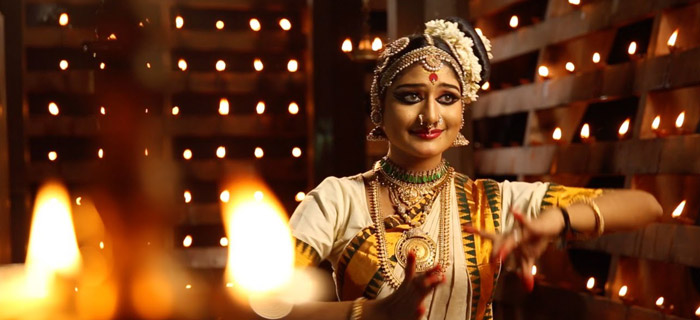
Today morning after breakfast check out the hotel and drive to Cochin, en route stop over at the speculative Cheyyappara Waterfalls, later proceed and on arrival transfer to the hotel. After refreshments, take a city tour of the Cochin city; Fort Cochin is famous for Chinese fishing nets, scenic beaches and architectural style of ancient buildings. At St. Frances Church see the town of Vasco da Gama. The Jewish Synagogue, built in 1568 in the old part of Mattancherry Town, is one of the oldest lively synagogues. Mattancherry "Dutch" Palacehas an incomparable collection of huge Kerala Temple murals, exhibits & portraits. You may also visit thefamous Hill Palace Museum, the largest archaeological and heritage museum in Kerala. Bolgatty Palace is the oldest living Dutch palaces outside Holland, now converted into a heritage hotel. Willingdon Island: is a man-made island created in 1933 with wonderful walkways and jetty’s. In the evening if time permits, enjoy the Kathakali Dance, one of India's most famous Classical dances with lavish costumes, exotic makeup & Masks intensifying the beauty of the dancer’s intricate moments. Overnight at the hotel.
Kochi (colonial name Cochin) is a vibrant city situated on the south-west coast of the Indian peninsula in the breathtakingly scenic and prosperous state of Kerala also called 'God's Own Country'. Its strategic importance over the centuries is underlined by the sobriquet Queen of the Arabian Sea. Informally, Cochin is also referred to as the Gateway to Kerala. From time immemorial, the Arabs, British, Chinese, Dutch, and Portuguese have left indelible marks on the history and development of Cochin. This lovely seaside city is flanked by the Western Ghats on the east and the Arabian Sea on the west. Its proximity to the equator, the sea and the mountains offers a rich experience of a moderate equatorial climate. Kochi is the arguably the ideal starting point for exploring the unfathomable diversity and beauty of Kerala & rated as the top three tourist destinations by the World Travel & Tourism Council and featured in National Geographic Traveler's '50 greatest places of a lifetime'
25 Day: Cochin – Hometown (By Air)
Today the day is free for individual activities, If wish to buy for yourself as souvenir or a gift for someone back home, then visit the enchantingly quaint little curio shops in Kochi city of Kerala. These shops sell small knick-knacks, which are characteristic of the South Indian city. Since Kochi is well known for its handicrafts, you will find a unique assortment of items like figurines, colourful bead jewellery, mat, bangles all made from coir, wood, bamboo, shells, brass, ivory and sandalwood. Later check out the hotel and transfer to the Cochin Airport to board the scheduled flight for hometown, on departure the tour concludes with happy memories.

Design your tour with our expertise Plan My Trip