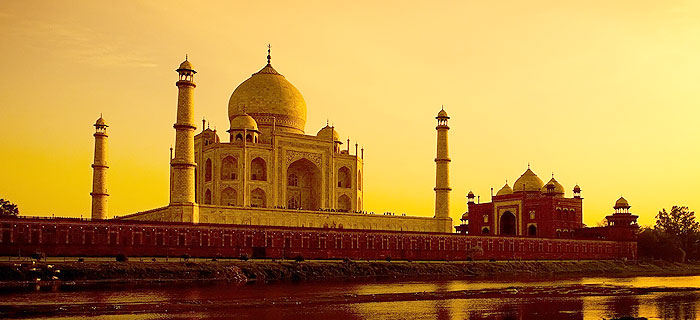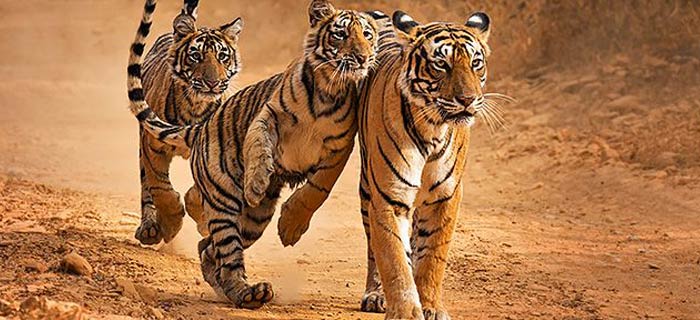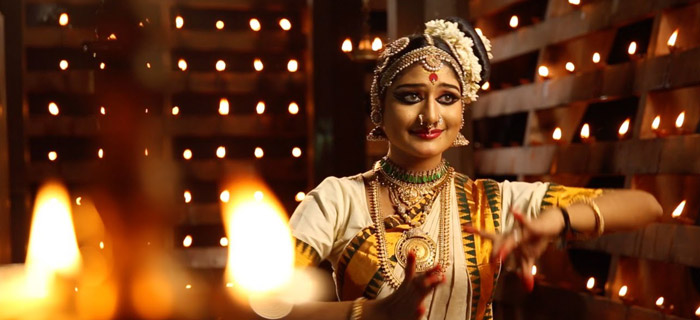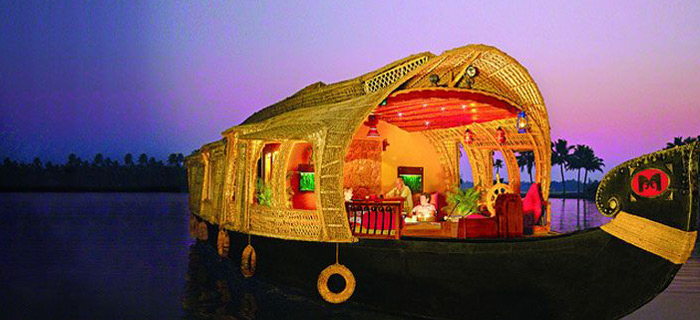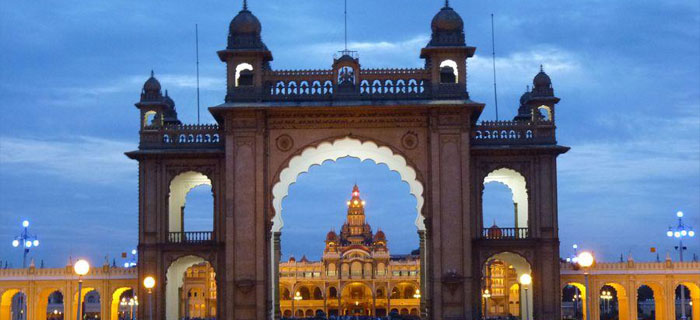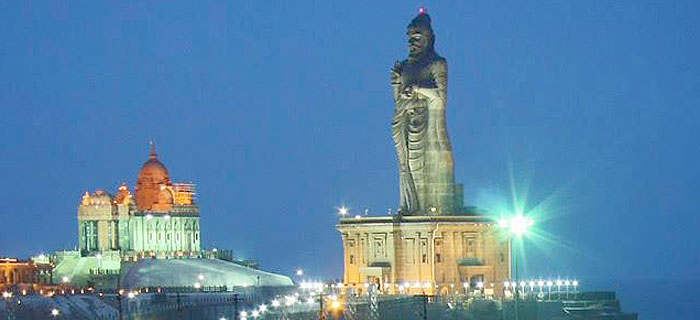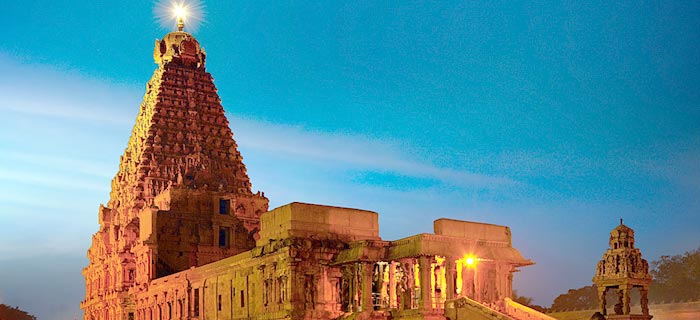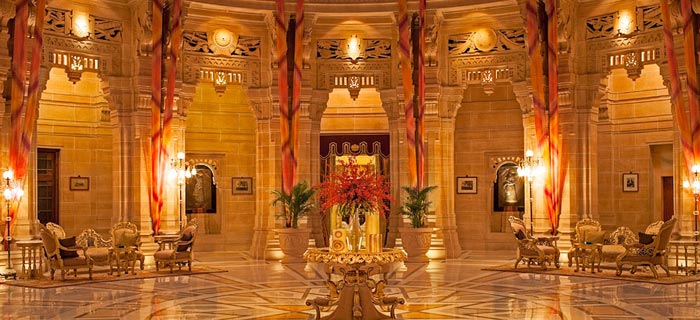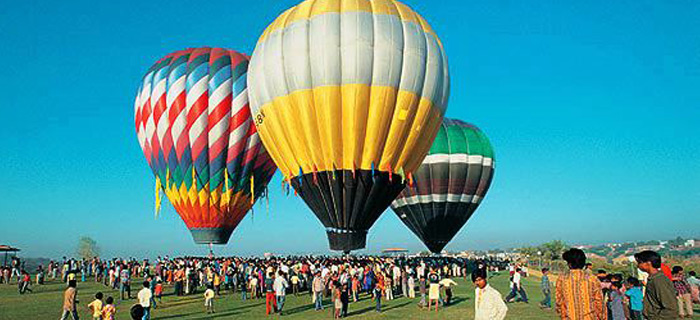
India is worldly known as a land vibrant celebration; one can see the culture and life of India during the celebrations of various fair and festivals, celebrated with high sprit in each and every town in India. By and large the flow of festivals continues through out the year in India. There are noble cause and meaningful identity behind each fair and festival, based upon rituals, traditions, legends, monsoon, history, while many express devotion to the deities of different religions. There are religious fair, historical fair, long life marriage based festivals, animal worship fair, cattle fairs, monsoon fair, changing season fair, all festivals denote vivacity, colour, high sprit, dedications, ebullience, peace, power, humanity messages, appetizing food, sports activities, artistic performance, prayers and rituals. Obviously, when it comes to tourism, fair and festivals are on the priority among the tourists to coincide the trip to witness amazing festivals of India.
The major Celebration in India include Holi, Id, Christmas, Diwali, Pushkar Mela, Ganapati, Navaratri, Kumbh Mela, Republic day, Pongal, Onam, Surajkund Mela, Goa Carnival, Snake Boat Race, Desert Festival many more, and these fair and festivals reveals diverse regions, religions and communities. During these celebrations of the fair and festivals, each of them reflects the life style and vigour of the people. Most of the celebrations are based on rituals of prayers, exchanging goodwill, decorating houses, wearing new clothes, Jewellery, music, singing, and dance and feasting. .
All Indian fair and festivals have lots of diversity according to the culture, life style, language, religion of each states and region, like Durga Puja (Navaratri) is major festivals of West Bengal, Ganapati in Maharashtra, also in the western and eastern parts of India, Pongal in Tamilnadu, Onam in Kerala, Goa Carnival, Christmas and New Year in Goa, car Festival of Puri, Pushkar fair in Rajasthan, Snake boat fair in Kerala, Holi in North India, Kumbh Mela in Haridwar and Varanasi, republic day in Delhi, Diwali is the festivals which is celebrated with almost same sprit all over India.
If someone wants to see the deep roots of the culture, belief, life style, living, food, art, traditions of India, the fair and festivals are the window to view the true colour of India.
Pongal is one of the most wonderful and harvest festival of Tamilnadu. India being an agriculture country, where 70% of population of India live in villages and depends on agriculture. Therefore most the big events of fair and festivals are related to cultivation. The festival alike Pongal are celebrated in all over India with different name, identity and rituals. Read More
Makar Sankranti is a Hindu festival. It is celebrated throughout India as a harvest festival when farmers bring home their harvest. It marks the beginning of the sun's journey from Dakshinayana to northern hemisphere (the Uttarayan) when it enters the sign of Makar (the Capricorn). The Festival introduces kite enthusiasts world-wide to Read More
Diwali is one of most pulsating and greatest festival among the all the festivals of India, Diwali is celebrated with great enthusiasm all over India, this festival comes after 20 days of Dusshera festival on Amavasya (15th day of dark fortnight). India is known as melting pot of races and religions. Diwali is also mark as the beginning of Hindu New Read More
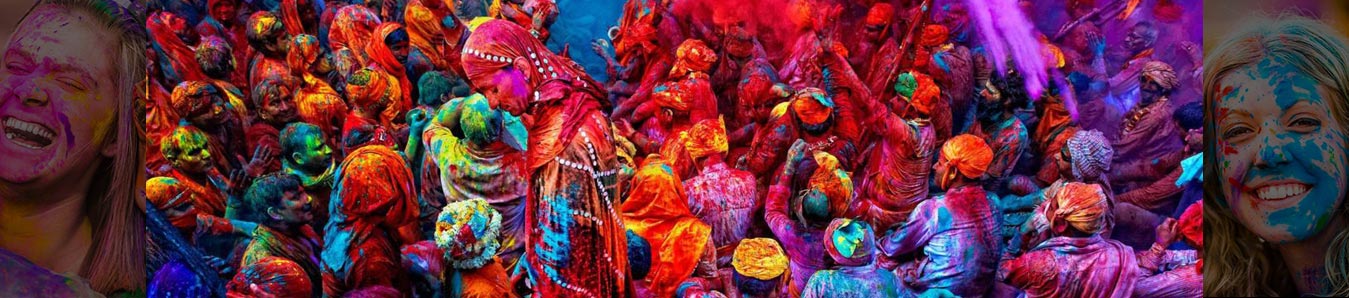
Holi also, known as Festival of Colors, Holi is the most anticipated festivals on the Hindu calendar. 'Holi' falls on the full moon, in the month of Phalgun, which spans the end of February and the beginning of March. Holi celebration begins with lighting up of bonfire on the Holi eve. Holi is a spring celebration and the exuberant ritual of putting color Read More
Dussehra also known as Vijaya Dasami is celebrated as a victory of Ram over Ravana. On this day in Satya Yug, Ram (the eighth incarnation of Lord Vishnu), killed the ten headed king of Lanka, Ravana who had abducted Rama’s wife, Sita. Dussehra is the last day of Navratri; it falls on the 10th day of the waxing moon during the Hindu month Read More
The Tyagaraja festival is celebrated in the memory of Tyagaraja. Tyagaraja, a South Indian composer and saint was born in 1767. He has composed a number of Telugu songs in praise of Lord Rama. Many young poets and musicians are inspired by this man's amazing work. Every year, South Indian musicians assemble at Thiruvaiyaru- 13 kms from Tanjore, to sing in his praise. People, young and old, sing in perfect harmony. The melody is such that one cannot remain untouched by its sheer devotion and divine resonance.
Gangasagar Mela is the largest and the most important fair celebrated in West Bengal. This fair is held where a nexus is formed by Ganga and Bay of Bengal. Hence the name Gangasagar Mela. This festival is a major attraction for millions of pilgrims from all over India. It is said that a dip in the Ganga purifies their 'self' and thus 'punya' can be. A special 'puja' is performed which is offered to the Sun God as a thanksgiving for good harvest. It is also believed that the girls who take the holy dip get handsome grooms and the boys get beautiful brides.
The ceremonial welcomes spring when people, colorfully attired, especially in bright shades of yellow, dance, sing and make merry. In West Bengal, 'Saraswati' - the goddess of learning is worshipped. The festival is celebrated with great fervor in the university town of Santiniketan.
All over the country, Shivratri is observed as the night, when Lord Shiva danced the 'Tandav' - his cosmic dance. Fasts and prayers mark the day and devotees throng the temples. The major Shaivite temples at Varanasi, Kalahasti (Andhra Pradesh) and Chidambaram (Tamil Nadu) are noted for their special celebrations.
Holi is one of the most exuberant Hindu festival that brings the message of the onset of spring. It is the festival of colors and is celebrated by throwing colored water and powder on each other. Huge bonfires are lit on the eve of Holi as its symbolic representation. The festival of Holi is being celebrated since centuries with the same zeal and zest.
The most important local festival in Rajasthan, Gangaur celebrations last for eighteen days. It is dedicated to Gauri, a manifestation of goddess Parvati. The festival is celebrated by girls and married women throughout Rajasthan. The images of Gauri are ornamented and offerings are made. This is also an auspicious day for young people to select their life partners. Colorful processions with the town band playing, horses and elaborate palanquins make it a fascinating spectacle.
Teepam is widely celebrated every year in Tamil Nadu from mid-January to mid-February during the full moon month which in Tamil is known as Thai. Fantastically dressed and bejeweled images of the goddess Meenakshi and her consort undaresvara are floated on rafts. All along the shore, the devotees chant hymns as a bevy of bands beat drums in tempo with their chants.
The desert festival celebrated in the golden city of Jaisalmer has an aura of its own. The festival becomes lively with legions of puppeteers, acrobats, and folk dancers add splashes of color. Camel races are of great significance and camel polo is a big attraction. The turban-tying competitions and the best-dressed Rajput contests add to this three day long festival.
Nagaur bustles with life during its annual cattle fair which is one of the largest in the country. Exciting games and camel races are part of the festivities. Owners of cattles from all over Rajasthan come and camp around the outskirts of Nagaur while they buy and sell animals. This fair is also famous for the various sports events that are organized in it, Tug-of-war, camel races and cockfights. At nightfall, folk music and songs bring out a magnificent musical touch to the quiet ambience of the desert.
Mahasivratri marks the festival of Mahavira, the founder of Jainism. It commemorates the birth of Mahavira. It is mainly celebrated by Jains with great zeal and enthusiasm. They visit sacred sites and worship Teerthankaras on this day. The festival is celebrated on a large scale in Gujarat and Rajasthan.
Ramnavmi celebrates the birth of Rama, a human incarnation of Lord Vishnu. Ayodhya and Pondicherry, the places which are said to have witnessed the events of Ramayana, are the main centers for this festival. Temples are decorated and prayers are offered. Chariot processions of Ram, Seeta and Lakshman are taken out from the temples with great zest.
This Christian festival marks the memory of the crucifixion of Jesus Christ. Just as it is celebrated around the world, Good Friday is observed in India, too, in April every year. All Christians attend Mass held in the churches on this day. Following Good Friday comes Easter Sunday, which is also celebrated with great enthusiasm and joy.
Easter commemorates the resurrection of Jesus Christ. It represents the victory of life over death. Easter is a celebration of Christ's resurrection from the dead.
Vishu is the New Year's Day for the Keralites. The New Year is supposed to bring better knowledge and understanding between all humans. The festival is celebrated with much joyous and happy minds and forgetting all the differences.
Nau Roz is Kashmir's New Year's Day. On this day, there is a general festivity and rejoicing throughout the state.
The Goru Bihu, the cattle festival is celebrated on the Hindu New Year's Day that is April or May. On this day, the cattle are washed and decorated. They are smeared with turmeric and are treated to Gur (Jaggery) and Brinjals.
This festival is the New Year's Day of the Bengalis. It welcomes the New year with early morning processions, songs and dance. Beautiful designs called Alpana are made on the floor by the house-wife.
Gudi Padva is widely celebrated in Maharashtra. The day is very auspicious for the people of Maharashtra. It is generally believed that any venture started on this day gives nothing but success.
Ugadi marks the beginning of a new Hindu lunar calendar with a change in the moon's orbit. It is believed that Lord Brahma started creation on this day. Ugadi is the Telugu New Year's Day. On this day mantras are chanted and predictions made for the New Year.
It is celebrated as the Tamil New Year's Day. At Tiruvadamarudur near Kumbakonam a big car festival is held.
This festival reflects the tradition and culture of the Sindhis. It is celebrated as the birthday of Asht Dev. Hi is believed to be the community God of the Sindhis. His birthday falls on the second tithi (occasion) of Chaitra (the first month of the year according to the Hindu calendar). This day is considered to be very auspicious and is rejoiced with much pomp and splendor.
Buddha Purnima, the birth anniversary of Lord Buddha, is celebrated by Buddhists all over India. But it is very popular in Sarnath and Bodhgaya. The Buddhists offer prayers in their temples on this day. The Buddha was born on a full moon day in the month of Vaisakh in 563 B.C. He achieved enlightenment as well as Nirvana on the same date.
Id-ul-Fitr or Ramzan Id marks the end of Ramzan, the month during which the Muslims fast everyday. Ramzan means the 'festival of breaking the fast'. Fitr is derived from the word 'fatar' meaning 'breaking'. Ramzan Id is celebrated on a day when the new moon appears. Prayers are offered in mosques and Idgahs and elaborate festivities are held. The festival is celebrated by the Muslims with great fanfare.
Held on first 'Baisakh'- the 13th April - Baisakhi is one of Himachal's most important festival. Rooted in the rural agrarian tradition, it bids a final farewell to winter. The Sikhs celebrate this as a collective birthday, filling the atmosphere with gaiety, music, dancing and good cheer. This festival is an opportunity in villages to enjoy with sheer abandon because they know that a season of hard work follows soon after which is the time for harvesting corn and other grains.
The amazing festival of Karaga begins from the Dharmaraja temple in Bangalore. A devotee is chosen and a Karaga or a clay pot is placed on his head. The pot represents Shakti, the mother-goddess of archaic strength. The devotee has to balance the pot as he has a staff and a sword that occupy his hands.
This 10 day festival takes place at the Meenakshi Temple in Madurai, to celebrate the mythical marriage between Siva and Meenakshi. The Meenakshi temple is one of the most spectacular excessive displays of architecture on earth. The temple has nine towering gopurams and thousands of pillars, covered from top to bottom with some 30 million colorful carvings and gypsum images of gods, demons and animals.
The Dhungri Forest festival is celebrated at the Hadimba or Dhungiri temple in Manali. This four story wooden temple is located in the middle of a forest called the Dhungiri Van Vihar. The Goddess is worshipped by the local women, who arrive in their colorful dresses to perform the ritual dance before her in order to appease her. Legend states that the king who commissioned the temple was so highly satisfied with the results that he cut off the craftsman's right hand to prevent him from duplicating it elsewhere.
Bakrid is celebrated with ritualistic fervor particularly in Andhara Pradesh. Bakrid is an important festival of Muslims falling in the last month of Islamic Calendar. The significance of the festival is the commemoration of the ordeals of Prophet Ibrahim. On this day prayers are held and goats are sacrificed.
This spectacular chariot festival is held at the famous Jagannath Temple at Puri. Images of Lord Jagannath - the Lord of the Universe, his sister Subhadra and brother Balbhadra are taken out in procession in three immense chariots. The procession or Rath Yatra draws huge crowds from all over the country.
A big fair is held at Hemis Gompa about 50 kilometers from Leh, to celebrate the birthday of Padmasambhava, the founder of Lamaism. The ritual dances by masked dancers are the main attraction, as are the main attraction, as are the local handicrafts.
This Rajasthani festival is celebrated by the women, on the third day of the moonlit fortnight of Shravan, in memory of Goddess Parvati’s departure to her husband’s home. Besides Rajasthan this festival is also celebrated in Bihar and Uttar Pradesh. In the morning Puja is performed. Later, in the evening Young ladies and girls dressed up in lehengas and chunaris to perform dandia dances.
The Bonalu festival is a major welcome for the people of the Telangana region. This festival is and old tradition and is celebrated with undiminished ebullience and religious ardency. This one-month long festival witnesses musical treats and ritualistic worship. The word "Bonalu" has been derived from "Bhojanalu" meaning food, which is offered to the Goddess. The prayers are offered to the village deities Yellamma, Mahankali, Maisamma, Pochamma, Gundamma. It is also an annual thanksgiving by the people to the Goddess for fulfillment of their vows.
Raksha Bhandan is celebrated on the full-moon day in the month of Sravana (July-August). The festival of Raksha Bandhan symbolizes love, affection and the feeling of brotherhood. On this day, sisters tie an amulet, the Rakhi, around the right wrist of their brothers praying for their long life and happiness. Raksha means protection, and in some places in medieval India, where women felt unsafe, they tied Rakhi round the wrists of men they could count upon, regarding them as brothers. The tradition of tying a thread or "rakhi" around the wrist to convey different feelings has been coming down through the ages since the Vedic times.
Nag Panchami is observed on the 5th day of the bright half of Shravan (July-August). On this day nag, cobras and snakes are worshipped with milk, sweets, flowers, lamps and even sacrifice. The image of Nag deities made of silver; stone, wood are first bathed with water and milk, and then worshipped with the reciting of the mantras.
This festival is dedicated to Goddesses Manasa, the daughter of Lord Shiva. She is believed to be the divine leader of the fertility cult of snake worship. More popularly, it is celebrated as a festival of snakes. The biggest attraction of this festival is the deadly cobra.
The serene mountains of the Chamoli district of Garhwal reverberates with a flurry of festive activity during the Nanda Devi Raj Jat Yatra, a royal pilgrimage through the precipitous mountains, that has been in vogue since time immemorial. It is an important religious event mired in deep rooted religious tradition, folklore and mythology. The Yatra is associated with the legend of Nanda Devi, a Goddess held in reverence by the local inhabitants of the region.
This day is dedicated to the Lord Ganesha, the elephant-headed god of all good beginnings and success. Held annually, this festival is a ten day long event. The images of Lord Ganesha are installed and worshipped and on the last day these are taken in processions to be immersed in flowing water. The seafront at Mumbai, packed with people, is a spectacular sight.
Kerala's most important festival is celebrated in the honor of the ancient asura king Mahabali. The occasion also heralds the harvest season. The decorating of houses with carpets of flowers, a sumptuous lunch and songs in praise of the golden reign of Mahabali, mark the ten day long festivities. A major attraction of the Onam celebrations is the famed snake boat races along the backwaters at Champakulam, Aranmula and Kottayam.
Janmashtami, the birth of lord Krishna is celebrated with great devotion and éclat on the Ashtami of Krishna Paksh or the 8th day of the dark fortnight in the month of Bhadon, in the whole of north India. Raslila, a tableaux depicting scenes from Krishna's life especially the love for Radha, is performed. In the evening, bhajans are sung, which end at midnight, the auspicious moment when lord Krishna was born. Thereafter, arti is done, prasad distributed and flowers showered on the idol.
Muharram is the opening month of the Hijra year. The 10th day of this month (May) is honored by the Muslims of Kerala. Muharram marks the martyrdom of Imam Hussain, grandson of Prophet Mohammed. Taziyas which are bamboo and paper replicas of the martyr's tomb, adorned with mica are carried throughout the streets of the city. The tragedy is expressed by mourners by beating their breasts and grieving over the murder of the Imam accompanied by drum beats. Fasting is an important ritual of this day.
The festival of Batkama in Andhra Pradesh is the most aesthetic occasion. It is basically, a festival of flowers. Celebrated for about a month, The festival commences from the Ganesh Chaturthi and ends on the Dussehra Festival. Flowers are arranged on a square wooden plank or a square bamboo frame with the size of frames in a conical shape to form an apex on top. This little floral mountain represents and is worshipped as Goddess Batkama.
Dussehra or Vijay Dashmi is a very popular Hindu festival, celebrated with éclat throughout the country. It is observed on the tenth day of the bright halk of Ashvin (September-October). It is a ten-day celebration, commemorating the victory of Lord Rama over the demon king, Ravana. ‘Ramlila’ which is based on the epic story of Ramayana, is staged at various places in most of the cities and towns in northern India. During this performance the Ramayana is constantly recited accompanied by music. It presents a fine blending of music, dance, mime, and poetry before an enthusiastic and religious audience sharing every event of the story with the actors.
During this festival sermons are delivered in mosques by learned men, focusing on the life and noble deeds of the Prophet who was born on the twelfth day of Rabi-ul-Awwal, the third month of the Muslim year. The word 'barah' stands for the twelve days of the Prophet's sickness. In some parts of the country, a ceremony known as 'sandal' rite is performed over the symbolic footprints of the Prophet engraved in stone.
Diwali, the festival of lights, falls on 'Amavasya', the darkest night of 'Kartika'. It symbolizes the victory of good over evil and the lifting of the spiritual darkness that envelops the soul. The festival commemorates Lord Rama's return to his kingdom, Adyodhya after completing his 14 years of exile. The word Deepawali which means rows of lighted diyas (earthen lamps), brings a glow to the humblest home or the grandest houses. Sweets and gifts are exchanged between families and friends amidst the bursting of crackers. Doors are left open on Diwali for Goddess Laxmi. The festive occasion also marks the beginning of the Hindu New Year. Lord Ganesha who is the symbol of auspiciousness and wisdom worshipped along with Goddess Laxmi on this day.
Gurupurab or Guru Nanak Jayanti is the birth anniversary of Guru Nanak who founded the Sikh faith. For two days and nights preceding the festival the Granth Saheb (Scriptures) is read. On the day of the festival, the Granth Saheb is taken out in a grand procession. The celebrations at Amritsar are the most impressive. Prayer meeting and processions are carried out particularly in Punjab. Sikh conduct 'langer' {distribution of food} in the Guru Dawara November: Govardhan Pooja A Hindu festival dedicated to the holiest of animals for the Hindus, the cow.
This lovely and gigantic fair falls on the last day (Full Moon Day) of the Hindu month of Kartik (Oct – Nov) near the sacred lake of Pushkar. This beautiful lake surrounded by bathing ghats, has its religious significance, rooted in a myth. The fair is primarily dedicated to Lord Brahma, the creator and one of the holy trinity. The colorfully dressed people enhance the exuberant mood of the fair. The fair is the biggest camel market. Thousands of pilgrims gather here, to take a dip in the holy lake. Puppet shows are the other major crowd - pullers.
Nagula Chavithi is celebrated on the fourth day after Deepavali, which falls on a New Moon day. On this day serpents are worshipped with great devotion and religious fervor. On this day women and children observe fast and worship snake god. Dressed in their festive best, they offer milk at the snake hills. On this day there is a great demand for snake hills. Some complete the ritual at home placing a picture or idol of a snake. Nagula Chavithi is celebrated twice a year during the months of Karthika and Sravanam. 'Nagula' means of the snakes and 'Chavithi' is the fourth day after every New Moon or Full Moon day.
This celebration in honor of the goddess, the mother of the world, begins on the first day of Ashvin, and goes on for nine days. The goddess is the personification of Power, or “Shakti”. She is known by many names: “Kali”, “Laxmi”, “Sarasvati”, “Chandi-ka”, “Durga”, “Bhavani”, “Ambika”, “Ashtabhuja” (eight hands). Her main task is to punish the wicked. She is engaged in war, and weapons are in her hands. She sits on a lion. Her weapons are the “shul” (pike), “chakra” (wheel), “parshu” (axe) and “talvar” (sword). Kali is known as “Mahisha-surmardini”, the slayer of the demon Mahishasur. The fight against the demon begins on the first day until he is defeated on the ninth day.
There are in all 24 Ekadashis observed by Hindus during the year. Vaikunth Ekadashi is observed in November and is celebrated in the honor of Goddess Ekadashi. People fast and pray to the goddess. In Maharashtra, pilgrims march in a procession, singing bhajans or devotional songs and assemble at the Vithal Temple in Pandharpur.
The Sonepur Fair is held on Karthik Purnima (the full moon day) in the month of November in Sonepur (Bihar), on the banks of river Ganga. It lasts for a fortnight and the cattle are decorated for the occasion. It is Asia's largest cattle fair where anything can be bought right from elephants to camels, buffaloes, goats and all sorts of four-legged creatures. The fair becomes a virtual explosion of colors, music, dances, magic shows, cattle, merchants and handicrafts as people from all over the world congregate to participate in this huge event. It has all the fun and hue of a popular fair, which has religious connotations as well and is enjoyed with a lot of jest and fanfare by all.
Christmas is celebrated in India with great fervor. All the major Indian cities wear a festive look. Shops and bazaars are decorated for the occasion and offer attractive bargains. Carol singing, get-togethers and the exchanging of gifts enhance the Christmas spirit. Christmas parties launch off celebrations for the New Year, thus retaining the festive mood for at least a week.
The Kumbh Mela is considered to be one of the most important religious events in India. The origin of the festival lie in the ancient belief in the conflict between the gods and the demons over the possession of the “Amrit Kumbh”, a pitcher filled with nectar.
This fair is celebrated in 4 places – Haridwar, Allahabad, Nasik and Ujjain. People, from all over the world, come to participate in this momentous event, drawn by their curiosity about the exotic traditions and the religious mysticism of India. A large number of sadhus gather on the banks of the Ganges to take a dip in the holy river and people bath at the 'Har ke Pauri' Ghat at Haridwar on this auspicious occasion. The noise baffles all description, the shout and cries of ash-smeared sadhus come mingled with the neighing of horses, the trumpeting of elephants, the grunts of camels, the bellowing of bulls, and as if these are not enough, there are gongs and drums beating, trumpets blaring, condishells blowing and bells ringing.
We are one of leading travel agents of India offering fair and festival tours all over India, covering South, North, East and West India fair and festival tours: Like Diwali, Pongal, Holi, Pushkar Fair, Sankranti Kite festival and many mores. You can explore Indian fair and festivals during specific period of travel covering culture, heritage, monuments, religious, temples, beaches, backwaters, sand dunes, desert tours with fair and festivals of India. Explore India by visiting the web link, comprising of various tours: : http://www.india-tourism.net/itineraries.htm or you can send us your feedback to us; we shall design a tour of your choice. Mail us your queries at: sales@india-tourism.net
Design your tour with our expertise Plan My Trip