01 Day: Arrival Trivandrum – Kovalam (20 kms ½ hr drive)
Welcome on arrival at the Trivandrum Airport, our representative assist and escort you by a/c car and transfer to the pre booked hotel at Kovalam beach. Enroute visit Trivandrum city, the capital of the state of Kerala is a beautiful seaside city built on seven hills. After visit proceed to Kovalam, on arrival transfer to the resort, after your check in, you will be given all the required documents related to your tour plan; he will explain all your queries and feedback about the entire tour plan. Rest of the evening is free for leisure activities at the Kovalam beach. Overnight at the hotel in Kovalam.
Trivandrum owes its name to the Lord Vishnu the guardian deity of the city. The Maharaja of Travancore till date pays homage at the Padmanabhan Swamy Temple that enshrines the image of Lord Vishnu, reclining under the hood of "Anantha" the great serpent. Trivandrum is also known Thiruvananthapuram; the city is located in the South of the state and bordered by Tiruneveli in the East, Kanyakumari to the South and Kollam district located to its North. The city has a rich tradition of nurturing art and culture since ancient times.
02 Day: Kovalam
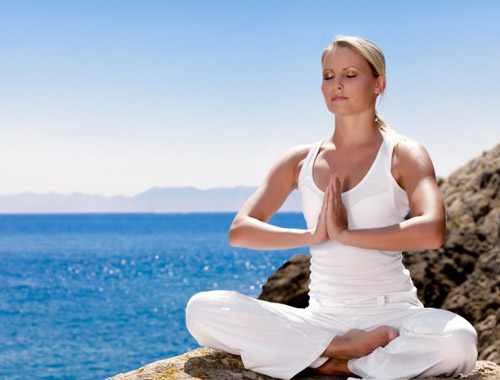
Today morning after breakfast you can enjoy the day on the sandy beach – may opt for water sports and wellness : Sunbathing, water skiing, Angling, Para- sailing, surfing etc…you may experience renown Ayurveda massage, herbal body toning, treatment offered at most of resorts, this will not give you just relaxation, in fact rejuvenates your body, mind and soul. You can also enjoy special cultural programme and catamaran cruising. You can enjoy beach activities on Kovalam beach with - surfing skiing and kayaking. Enjoy the sunbathing and Ayurveda massage under the tropical sun. Overnight stay at the resort at Kovalam.
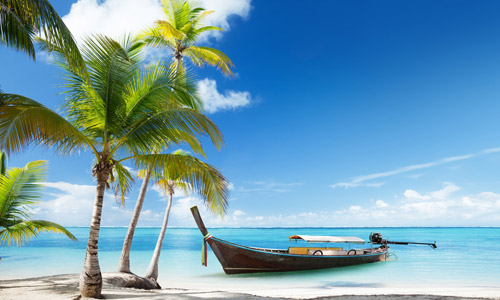
Kovalam: On the Malabar Coast along the Kerala shoreline is a small village; called Kovalam is 16 kms away from Trivandrum, a sheltered bay endowed with unusual beauty. This natural bay is a safe sea-pool free from high waves and surge. The beach resort here is of international standard. Today Kovalam has become one of the most popular beach hangouts in India. Kovalam means a grove of coconut trees and truly the coconut trees along the beaches gives it a paradise of nature.
Ayurveda, means the science of healthy living, derives its name from the Sanskrit words, AYUSH (LIFE) and VEDA (KNOWLEDGE). It looks at healing in a holistic fashion. The physical treatment has overtones of philosophical and psychological approaches too. Any ailment in the body is viewed as a result of a combination of factors with special reference to the components of diet. It is here that Ayurveda recognizes that each individual is different and so treatment too should be customized. The Ayurvedic principles are found in detail in Atharva Veda, one of the four Vedas of Hinduism.
03 Day: Kovalam – Kanyakumari (85 kms: 2 – 3 hrs)
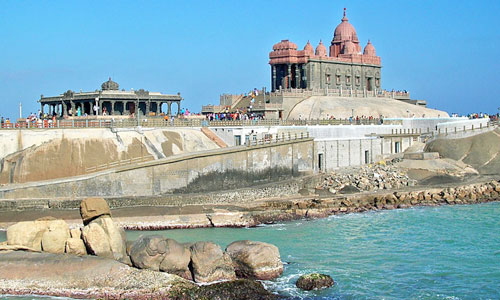
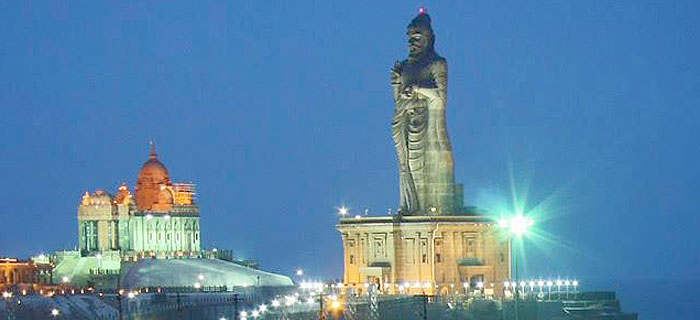
After breakfast check out the beach resort and drive to Kanyakumari, on arrival check into the hotel. After relaxation visit: Kumari Amman Devi Temple- dedicated to Goddess Devi Kanya, an embodiment of Goddess Parvati. Gandhi Mandapam - Dedicated to Mahatma Gandhi- The father of Nation. Then early evening boat cruise to Swami Vivekananda Memorial - where Swami Vivekananda meditated and decided to carry his message of peace across the world. Thiruvalluvar Statue- is the land mark of the Kanyakumari. In the evening enjoy the amazing sunset from Murugan Kundram hills, also rising sun on the same horizon, one of the phenomenal and rare experience in Kanyakumari. Overnight at the hotel in Kanyakumari.
Kanyakumari Referred to by the British as Cape Commorin, Kanyakumari in the state of Tamilnadu is located at the southernmost tip of the peninsular Indian. It derives its name from the small temple dedicated to Kanyakumari or the youthful form of the primeval energy Shakti (Mother Goddess) located on the city’s shore. Kanyakumari is the point of confluence of three oceans - the Bay of Bengal, the Arabian Sea and the Indian Ocean. This well-known Hindu pilgrimage center is famous for its beautiful sights of sunrise and sunset over the waters.
04 Day: Kanyakumari – Rameshwaram (310 kms: 7 hrs)
After breakfast, check out of the hotel and drive to Rameshwaram, on arrival, transfer to the hotel. Often referred to as the ‘Island of Prayer’, and also considered to Varanasi of the South this major pilgrimage centre is on an island in the Gulf of Mannar. Most of the town’s places to stay and eat are cluttered around the Ramanathaswamy Temple. After visit return to the hotel for overnight stay.
Rameshwaram is an island separated from the mainland by a small strait of water. Rameshwaram is famous for the Hindu temple dedicated to Lord Rama who, it is believed, had descended on its shores and built a bridge across the Palk Strait to reach Lanka in his quest to rescue Sita from Ravana. Additionally, the temple is famous for being one of the 12 Jyotirlingas of Siva. Lord Rama had constructed a Siva linga in order to offer thanks to the Lord after killing Ravana. Hence, the temple is a sacred site for both Shaivites and Vaishnavites.
05 Day: Rameshwaram – Madurai (175 kms: 3 - 4 hrs)
After breakfast visit to Adam's Bridge the name given to the chain of reefs, sandbanks and islets that almost connects Sri Lanka with India. According to legend, this is the series of stepping stones used by the monkey army, lead by Hanuman to cross the ocean in a bid to rescue Sita from the clutch of Ravana. After visit check out of the hotel and drive to Madurai. On arrival, transfer to the hotel. After refreshment visit the Meenakshi Sundareshwar, one of the largest temple complexes in India built between the 16th and 18th centuries. Apart from the estimated 33 million sculptures there, the temple is absolutely absorbing with the endless rounds of ceremonies, prostration of countless devotees and glittering market stalls. Later visit Tiruparankundram Murugan Temple, Palamuthirsolai Murugan Temple. Also visit the Tirumal Nayak’s Palace; a highly decorative monument. In the evening visit the famous Meenakshi Sundareshwar Temple to attend the Aarti (Prayers) witnessing interesting rituals and ceremonies. Overnight stay at the hotel.
Madurai, the cultural capital and second largest city of Tamil Nadu is one of the oldest cities of southern India. Madurai has been a centre of learning and pilgrimage, for centuries. It is believed that, the divine nectar falling from Lord Shiva's locks, gave the city its name - Madhurapuri, now known as Madurai. Known as the temple city, Madurai is situated on the banks of the River Vaigai. Madurai is also an important pilgrimage center. The 985 beautiful pillared Meenakshi Amman Temple is the major attraction of Madurai.
06 Day: Madurai – Munnar (155 kms: hrs)
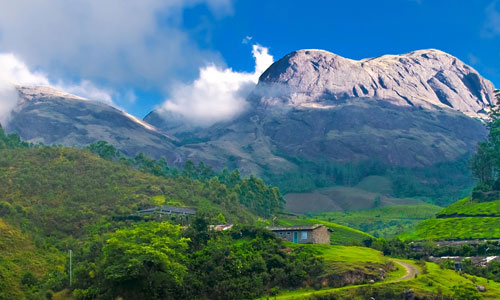
Today morning check out the hotel and drive to Munnar, The word "Munnar" means three rivers. 3 mountain streams (Madurapuzha, Nallathanni and Kundala) are joining together here. There are about 30 tea plantations in and around Munnar. The tea estates, hills, lakes and forests inside Munnar range expose its beauty. The Munnar hills are covered by tea plants, which look like a wide green carpet. You can take a short tour visiting Munnar Tea Factory & Museum (closed on Monday). Rest of the evening is free for leisure. Overnight at the hotel.
Munnar: the one-time 'summer capital of the British rulers', over the years now became the most sought after tourist destination in Kerala. It is the abundant gift of nature to the Western Ghats, the eastern border of Kerala, 5000 feet above sea level. Intense forests, wildlife sanctuaries and major tea, coffee and spices plantations sprawled over this region. Munnar abounds in animals like wild elephants and Nilgiri Thar and rich biodiversity teeming with flora and fauna. An ideal hill destination to enjoy the sheer nature.
07 Day: Munnar
Today morning after breakfast explore this panoramic hill station- visit Pothamedu to enjoy picturesque view of the coffee, tea, cardamom and other spices plantations in Munnar, Devikulam (7 km from Munnar), this tranquil hill station with its velvet lawns, vibrant flora and fauna with picturesque mountains, a rare experience. Blossom International Park is about 3 km away from Munnar, Mattupetty Dam and its reservoir is located 13 km away from Munnar, Mattupetty is also known for the Indo-Swiss Farm and a dairy farm, Echo Point and Kundala Lake. In the evening you can take a tea and coffee and spices plantation tour visiting tea museum. Later return to the hotel for overnight stay.
08 Day: Munnar – Periyar (90 kms: 3 hrs)
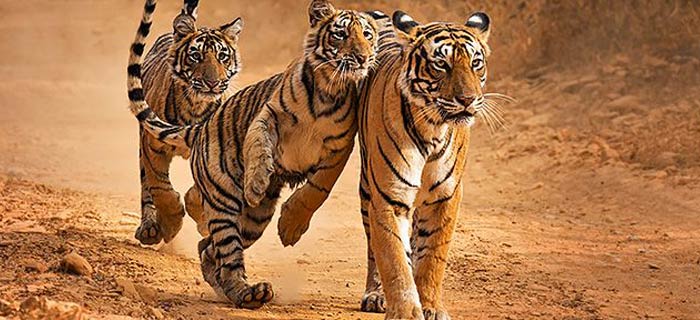
Today morning after breakfast check out from the hotel and drive to Periyar (Thekkady), on arrival transfer to the Jungle Resort, after refreshment visit the Periyar Wildlife Sanctuary, explore the park, animals found here are elephant, wild boars and gaur and birds like grey heron and ibis, here you can enjoy elephant safari in the park and boating at Periyar Lake to view animals, if you are lucky one, may see rare tiger as well and bathing elephants. Later take a spice plantation tour to see crops of cinnamon, cardamom, pepper, tea and coffee estates etc. On your way back to the hotel, a stopover to the local spice market to shop some fragrant spices. Dinner and overnight at the hotel.
Periyar: Famous for Periyar Wildlife Sanctuary is located on the bank of Periyar River in Kerala, one of India's biggest wildlife sanctuaries covering 778 square kilometers, this sanctuary also houses Tiger Reserve. Periyar National Park is blend of mercerising charming beauty and affluent nature surroundings. The sanctuary houses sizable population of elephants, also Tiger, Sambars, Bisons, Antelopes and Wild Boars. Here one can enjoy Elephant safari exploring dense forests on the back of Elephant.
09 Day: Periyar – Kumarakom (130 kms: 4 hrs)
After breakfast, check out of the hotel and drive to Kumarakom - for the nature-lover. Here in this backwater town, you can laze in a canoe amidst sylvan surroundings where the only presence is yours and the egrets. Kumarakom Bird Sanctuary, located on the banks of the Vembanad Lake, to see bird viewing where numerous species of birds, including Darters, Bitterns, Brahminy kites, Marsh Harries, Teals and several varieties of Herons roost are found. For an inquisitive bird watcher, it is always advisable to carry their binoculars at all times. Return to hotel, make sure you do not miss out on Karimeen and fresh toddy the favorite fresh water food and the local wine. Overnight stay at the hotel.
The village of Kumarakom is a cluster of little islands on the Vembanad Lake, and this small water world is part of the Kuttanad region. The bird sanctuary here, which is spread across 14 acres, is a favorite haunt of migratory birds and an ornithologist's paradise. Egrets, darters, herons, teal, waterfowl, cuckoo, wild duck and migratory birds like the Siberian stork that live there in flocks is a fascination for visitors. The best way to watch the birds of the Kumarakom sanctuary is a boat trip round the islands.
10 Day: Kumarakom – Alleppey (Backwaters tours through sailing boat to Alleppey)
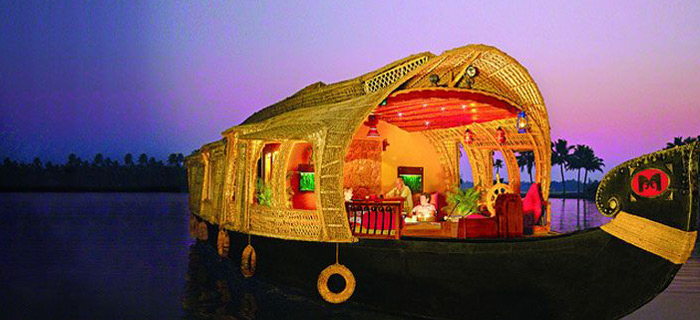
After breakfast, embarks at the houseboat and journey begins to explore backwaters world though sailing boat passing thorough tropical countryside, enjoying view of palm fringed narrow canals winding through the vast expanse of paddy fields and the neat tiny hamlets lined up along either side of the canals are panoramic sights. On the way one can see The Chinese fishing nets, the reminiscent of our past trade links, groups of duck swimming around and colourful birds flying across the sky remains as enduring pictures treasured in our memories, you can try your hands in fishing from the houseboats. In the evening enjoy beautiful sunset from the sun-deck of the houseboats. Enjoy the dinner of your choice cooked and served by the Chef. Dinner and overnight at the houseboat.
Alleppey: a calm backwater town is the center for backwater cruises in Kerala. It has a large network of water canals, which passes through the town, provides its lifeline & has a long sandy beach. Alleppy is also famous for Speculative Nehru Trophy Boat Race, celebrated every year- in month of August, the most colourful and exotic snake boat race in Kerala. The city is known for coir products.
Houseboat: Generated through electricity; with sitting cum dining area, private bedroom with attached English toilets, sun deck and fully loaded kitchen with a Chef, and Srank (Driver).
Backwaters Tours: The mystifying intricate of forty-five rivers that creates around 900 km roundabout lakes, lagoons, canals, estuaries and deltas in the South Indian state of Kerala, This topographical persona blessed the God's Own Country with elaborate water worlds, commonly known as 'backwaters'. Cruising all along the backwaters of Kerala is an ultimate way to discern its implausible foliage, bona fide, affluent ethnicity and wildlife. The tranquil, steep and Sluggish backwaters tour is like inspiring depictions of nature’s beauty witnessed by the tourists.
11 Day: Alleppey – Cochin (55 kms: 1 ½ hrs)
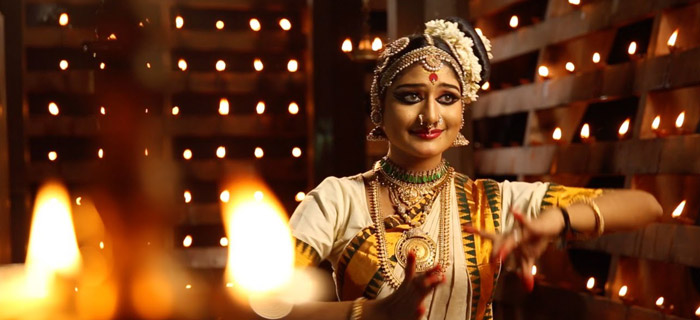
After breakfast, disembark from the houseboat and drive to Cochin. On arrival, transfer to the hotel, after refreshment, take a city tour of the Cochin city; visit Fort Cochin & St. Francis Church to see the town of Vasco da Gama. We also see the Jewish Synagogue (Closed on Friday afternoons and all Saturdays & all Passover Days & the Mattancherry "Dutch" Palace (closed on Fridays & Saturdays). You may also visit the famous Hill Palace Museum, the largest archaeological and heritage museum in Kerala. Bolgatty Palace is the oldest living Dutch palaces outside Holland, now converted into a heritage hotel. Willingdon Island: is a man-made island created in 1933 with wonderful walkways and jetty’s. In the evening Cherai Beach, Located in Vypin Island, Kochi, Cherai Beach is one of the beautiful beaches facing the Arabian sea. In the evening enjoy the Kathakali, one of India’s most famous Classical dances. Lavish Costumes & Exotic makeup & Masks intensify the beauty of the dancers, intricate moments. Overnight stay at the hotel.
Kochi (colonial name Cochin) is a vibrant city situated on the south-west coast of the Indian peninsula in the breathtakingly scenic and prosperous state of Kerala, hailed as 'God's Own Country'. Its strategic importance over the centuries is underlined by the sobriquet Queen of the Arabian Sea. Informally, Cochin is also referred to as the Gateway to Kerala. From time immemorial, the Arabs, British, Chinese, Dutch, and Portuguese have left indelible marks on the history and development of Cochin.
12 Day: Cochin – Hometown (By Air)
Today morning after breakfast check out the hotel and drive to Cochin airport to board the scheduled flight for Hometown, on departure the tour concludes with happy memories.
Since the precise cost of a customized tour is subject to specific accommodation choices, travel period (date/month/year), nos of pax travelling together and other custom preferences. However, to enable you to chalk out your holiday plan, we suggest following budget guidelines (minimum 2 people are travelling together & sharing one double room) for a customized tour:
Design your tour with our expertise Plan My Trip