01 Day: Arrival Delhi
Welcome and assistance on arrival at Indira Gandhi International Airport in Delhi and transfer to the pre-booked hotel by aircon car. After check in, travel document related to the tour plan and services will be handed over to you; our representative will explain all your queries about the entire tour plan. Later in the evening visit to see Light and Sound Show at Red fort. The show exhibits wonderful history of the city in a very interesting way. Afterwards return to the hotel for overnight stay.
Light and Sound Show: A spectacular show at the Red Fort. Which makes the 5,000 years old history of the city come alive. Amidst the harmony of the splendidly panoramic and historic environs of the Red Fort, select episodes from the annals of Delhi's historic and majestic past are vibrantly brought to life. Special effects combine with the exceptional character to make this show an impressively memorable experience.
02 Day: Delhi
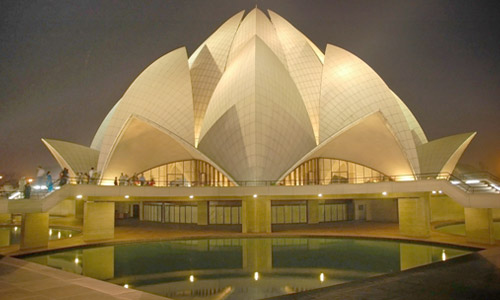
After breakfast, take a sightseeing tour of Old Delhi: the majestic Red Fort, a marvel in red sandstone, Jama Masjid, the largest and most splendid mosque in India, Rajghat, the memorial of Mahatma Gandhi, where he was cremated. The sightseeing continues to explore New Delhi including President House, India gate; built to honour and pay a tribute to the Indian soldiers who sacrificed themselves during the Afghan war, Birla Mandir (Laxmi Narayan Temple), Humayun’s Tomb, lotus shaped Bhai’s Temple, Qutub Minar; built by Qutub-ud-din Aibek of the Slave Dynasty. Sri Radha Parthasarathi Mandir, generally known as the ISKCON Delhi temple. In the evening you can opt for a cycle rickshaw ride through the lively and colourful market of Chandani Chowk. Afterwards return to the hotel for overnight stay.
Delhi, the towering capital city of the independent and largest democratic country in the world: India. Delhi is located and sprawled on both banks of Yamuna River. The city is enriched with culture, architecture and human diversity, Delhi city is a blend of the ancient past of India with the vibration of the modern world. The city designed by the British architect Sir Edwin Lutyens (1869-1944) & is tree-lined & spacious. Legend has it that the Pandavas of epic Mahabharata, the august heroes, founded Delhi around 1200 BC & the name of the city was Indraprastha.
03 Day: Delhi – Sikandra – Agra (210 kms: 5 hrs)
After breakfast check out the hotel and drive to Agra, on the way stop over at Sikandra to see the Tomb of Mughal Emperor Akbar, after visit continue to proceed to Agra, on arrival transfer to the hotel. In the evening, if time permits, must visit Oswal Emporium to watch the replica of Taj Mahal it took 10 years for the artists to build this artistic epitome, also enjoy light and sound show “Mohabbat-the-Taj: the saga of love”, the only show of its kind in India! Later return to the hotel overnight stay.
Agra is famous as being home to one of the Seven Wonders of the World - the Taj Mahal. A pleasant town with a comparatively slow pace, Agra is an old city and it is said that its name was derived from Agrabanad, a forest that finds mention in the epic Mahabharata. Agra is known for its superb inlay work on marble and soapstone by craftsmen who are descendants of those who worked under the Mughals. The city is also famous for its carpets, gold thread embroidery and leather shoes. Agra and Fatehpur Sikri, both are conveniently located close to Delhi. Agra Fort, Sikandra, Ram Bagh and Itmad-Ud-Daulah are some of the noteworthy places to visit apart from the famous Taj Mahal.
04 Day: Agra
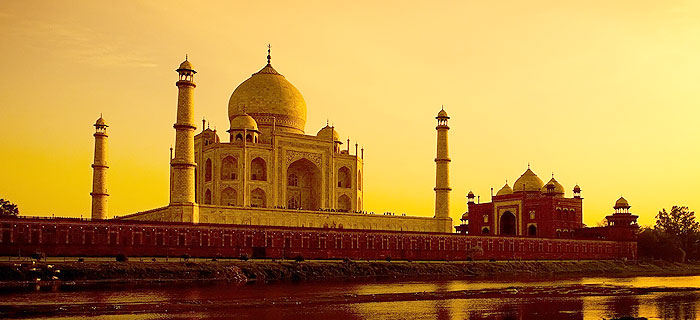
Early morning visit world’s most popular and beautiful monument: Taj Mahal with its’ fabulous view at the time of sunrise. Taj Mahal, a beautiful architectural monument is one of the 7 wonders of the world. This historical masterpiece is an illustration of the fusion of diverse architectural styles. Taj Mahal is the crown of all the lovely buildings in the world and a symbol of eternal love. The tour continues with a visit to Agra Fort. The fort was built in 1576 AD by great Mughal Emperor Akbar, structured and designed with red stoned barricaded; here you will find the splendid Pearl Mosque and various other classic example of art: Jahangir Mahal, Moti Masjid, Macchhi Bhawan, Nagina Masjid, Diwan-i-Khas, Sheesh Mahal, Diwan-e-Am, and Meena Bazaar and Musamman Bhurj. Emperor Shahjahan imprisoned by his rebellious son Aurangzeb in the Musamman Bhurj, would see his love reflecting through the Taj Mahal, where his dear wife was cremated. Afterwards visit Tomb of Itamad-ud-Daula, 35 kms from Agra, built by Empress Noor Jahan daughter of Shahjahan, this monument a tribute to her great father. Later return to the hotel for overnight stay.
Note: Taj Mahal is closed on every Friday.
05 Day: Agra – Fatehpur Sikri – Jaipur (240 kms: 5 - 6 hrs)
Today morning after breakfast check out the hotel and drive to Jaipur. Enroute stop over at Fatehpur Sikri, the old deserted town of the Mughal kingdom, built in red sandstone in honour of Saint Salim Chisti who blessed birth of 3 sons to Emperor Akbar. It is an example of robust stability combined with originality. Each important structure here represents a type by itself. Notable among them is the Diwane e Khas; Punch Mahal, the Tomb of Salim Chisti, and the Buland Darwaza, one of the largest and tallest gateways in the world. Also stop over at Abhaneri near Jaipur, and visit Step Well, it was built by King Chanda of the Chauhan Dynasty, and was dedicated to Hashat Mata, Goddess of Joy and Happiness upon completion. Afterwards continue drive to Jaipur. On arrival, transfer to the hotel for overnight stay.
Jaipur is widely known as the ‘Pink City’ of India. The walls, houses and buildings of the entire city were washed with pink colour for a grand and royal welcome of Prince Albert and Queen Victoria of Britain, who visited Jaipur in 1853 A.D. This splendid city as was founded in 1727 A.D by one of the greatest ruler Jai Singh II. Jaipur is surrounded by hills on three sides. Jaipur is the only city in the world, which is designed in accordance with Hindu architectural science called Shilpa Shastra. The city had been designed in rectangular shape of 9 blocks, depicting the 9 partition of the universe.
06 Day: Jaipur
Today morning after breakfast, explore the Pink City with an excursion to splendid Amber Fort, situated just outside the city, built in the 15th Century by Rajput King Man Singh. Later visit another mighty and majestic Nagargarh fort, close to Amber fort. Drive back to the main city to visit the imperial City Palace - present residence of the royal family of Jaipur. The incredible Jantar Mantar was innovated and constructed by Jaipur King Swai Jai Singh. Splendid Hawa Mahal, also known ‘Palace of Winds’ Birla Temple, with its white shimmering marble glittering in the night. You can visit to Amber fort to see the Light and Sound Show: holds the history of a citadel, pulsating with a legendry past of 600 years & 28 kings of the Kachhwaha dynasty, before their capital moved to Jaipur. Later you can explore the bustling market by hoping onto a cycle rickshaw ride. Enjoy your evening at the most authentic and ethnic village resort: called Chokhi Dhani, designed on the theme of an ethnic village of Rajasthan with lots of traditional environment with entertainment like folk dances, puppet shows, astrology, music, camel ride, Here you can enjoy the traditional Rajasthani food. Afterwards return back to hotel for overnight stay.
07 Day: Jaipur – Pushkar (135 kms: 3 hrs)
After breakfast drive to Pushkar is well-known for the world’s largest cattle fair every year in the month of November, with glorious celebration. Visit the Brahma temple is an important pilgrim centre for the Hindus. The temple is one of very few existing temples dedicated to the Hindu creator-god Brahma in India and remains the most prominent among them. It is nestled in the Pushkar valley which lies beyond Nagaparvat and the Anasagar Lake. This place, full of natural beauty, holds a special place in the hearts of Indians for it is believed that Lord Brahma, together with all the gods and goddesses, performed a Yagya here. Also visit the Pushkar Fair site, which is right opposite the Pushkar Lake. Return to hotel for dinner and overnight stay.
Pushkar: According to the Hindu scripture Padma Purana, Brahma saw the demon Vajranabha (Vajranash in another version) trying to kill his children and harassing people. He immediately slew the demon with his weapon, the lotus-flower. In this process, the lotus petals fell on the ground at three places, creating three lakes: the Pushkar Lake or Jyeshta Pushkar (greatest or first Pushkar), the Madya Pushkar (middle Pushkar) Lake, and Kanishta Pushkar (lowest or youngest Pushkar) lake.
08 Day: Pushkar – Jodhpur (210 kms: 4 - 5 hrs)
After an early breakfast, check out from the hotel and drive to Jodhpur. On arrival transfer to the hotel, after refreshment take an excursion to Bishnoi Village 25 kms: 45 min one way. The villagers coming from the Bishnois caste are believed to be the guardians of animals. Then visit to the local handicrafts viz shoe makers, pottery hand weaving watching men in their traditional attire, women clad with ancestral silver Jewellery, en-route watch and photograph the beautiful wildlife - black buck, chinkaras, peacock etc. liberally moving in plenty of care by the local villagers. After visit drive back to Jodhpur you can explore the local market, visiting various authentic restaurants. You may choose ‘On the rocks’ an open air restaurants with Rajasthani hospitality, offering authentic food and folk music and dance. Later return to the hotel for overnight stay.
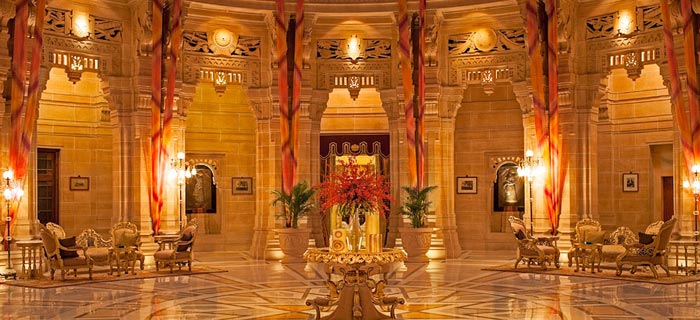
Jodhpur: The home of Rajpoot, (Rathors) – The awesome significant city of Rajasthan. Founded in 1459 A.D. by Rao Jodha, today Jodhpur is one of the largest and flourishing city of Rajasthan, known as white city of Rajasthan. Jodhpur was once upon a time was the capital of Marwar state (Northern Part of Rajasthan). Mehrangarh fort, the crowning old palace is major tourist attraction of Jodhpur. Another pride of Jodhpur is Umaid Bhawan Palace; this grand palace is now converted into heritage hotel and present residence of the Royal family of Jodhpur.
09 Day: Jodhpur – Ranakpur – Udaipur (257 kms: 6 – 7 hrs)
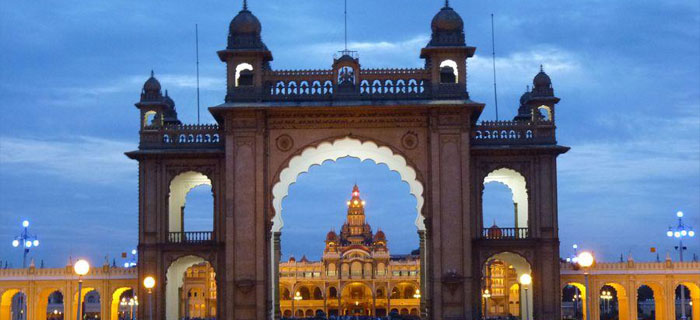
After breakfast, take a sightseeing tour of the city visiting massive the Clock Tower, the massive Mehrangarh Fort, magnificent Jaswant Thada (Mausoleums of the great Rajput King: Jaswant Singh), Umaid Bhawan Palace and museum – India’s one of most imposing and regal palaces. Later check out the hotel and drive to Udaipur, en route take a halt at Ranakpur, visit the ancient Jain Temples, built in the 12th Century, you may opt to enjoy lunch at Maharani Baugh: (on your own) an authentic heritage hotel. After visit continue to drive to Udaipur. On arrival, check into the hotel. In the evening enjoy a boat ride in Lake Pichola; you may opt to have dinner (of your own) at Lake Palace Hotel, located amidst the lake. Afterwards return to the hotel for overnight stay.
Udaipur: One of the most romantic and beautiful city of North India, the city was founded in 1568 AD by Rajput King Udai Singh., located on the banks of the shimmering Pichola Lake, is one of the most romantic city of Rajasthan. Udaipur is cuddle up in lush green Aravali mountain range. It is a kaleidoscope of wonderful lakes, enchanting temples, lake side gardens, amazing forts and palaces and narrow lanes of the old city with historical past, Udaipur characterize chivalry and velour of the Rajpoot clan who had ruled this city for years and valor and chivalry.
10 Day: Udaipur
After breakfast, take a sightseeing tour of Udaipur visiting the wondrous City Palace complex – a significant landmark of the town. The palace is a splendid white marble historical home of the Rajpoot Rulers. Here you will see notable places like the Durbar Hall, Palace Museum, Crystal Gallery and Jagdish temple, followed by Sahelion Ki Bari, a beautiful recreation garden for queens and princes of the rulers. Bharatiya Lok Kala Mandal is an ethnic exhibit of traditions and culture of Rajasthan, ethnic ornaments traditional outfits, puppets, masks, dolls, classical paintings, fold musical instruments. In the evening visit to Lake Bageela 22 kms, for a sightseeing tour of the ancient Eklingji and Nagda Temples. Overnight at the hotel.
11 Day: Udaipur – Chittourgarh – Delhi (By Air)
After breakfast, check out the hotel and visit to Chittourgarh city, to visit mightiest and largest historical fort of India: Chittourgarh, this crowning historical Fort stands a jaded reminder of the characteristic and bravery of Rajpoot Clan in Rajasthan, sprawled over 700 acres, area, the fort houses historical monuments: Tower of Victory, Rani Padmini Palace, Man Mahal, Mira Temple and several ruins of temples of Shiva. A ruined citadel, where the royal past lives in its imposing forts, graceful palaces and spectacular 'chhatris' in the fort vicinity visit Kirti Stambha, Rana-Kumbha Palace, Padmini Palace, Meera Temple and Kumbha Shyam Temple and Kalika Mata Temple, State Archaeological Museum. Afterwards continue drive to Udaipur airport to board the schedule flight for Delhi, on arrival transfer to the hotel for overnight stay.
Chittourgarh, the town known for its massive fort atop hill, crowned on a 6 kms long hill, covers an area of 280 hectares with fortifications, temples, towers and palaces. The city can be singled out for its glorious past and valor, unique to the Rajput tradition. Chittourgarh is a fortified settlement, with a history of witnessing a number of sieges, but refusal to bow before foreign invaders. Tales of the Princess Padmini are told here who was known for her chivalry and beauty.
12 Day: Delhi – Cochin (By Air)
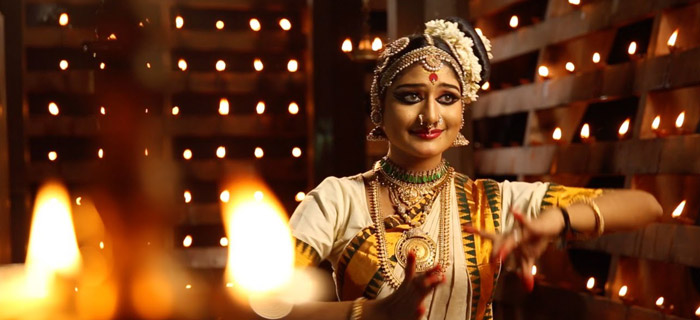
After breakfast, check out the hotel and drive to airport to the board schedule flight for Cochin, assistance on arrival our representative assists and escorts you by a/c car and transfer to the pre-booked hotel. After check in, you will be given all the required documents related to your tour plan; he will explain all your queries about the entire tour plan. After refreshment, visit Fort Cochin & St. Francis Church to see the town of Vasco da Gama. We also see the Jewish Synagogue (Closed on Friday afternoons and all Saturdays & all Passover Days & the Mattancherry "Dutch" Palace (closed on Fridays & Saturdays). Enjoy the Kathakali Dance, one of India's most famous Classical dances with lavish Costumes, exotic makeup & Masks intensifying the beauty of the dancer’s intricate moments. Overnight at the hotel.
Kochi (colonial name Cochin) is a vibrant city situated on the south-west coast of the Indian peninsula in the breathtakingly scenic and prosperous state of Kerala also called 'God's Own Country'. Its strategic importance over the centuries is underlined by the sobriquet Queen of the Arabian Sea. Informally, Cochin is also referred to as the Gateway to Kerala. From time immemorial, the Arabs, British, Chinese, Dutch, and Portuguese have left indelible marks on the history and development of Cochin.
13 Day: Cochin – Munnar (130 kms: 4 hrs)
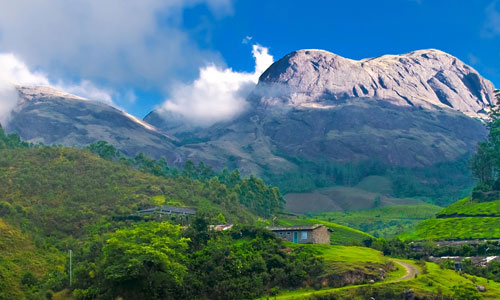
Today morning check out the hotel and drive to Munnar, The word "Munnar" means three rivers. 3 mountain streams (Madurapuzha, Nallathanni and Kundala) are joining together here. There are about 30 tea plantations in and around Munnar. The tea estates, hills, lakes and forests inside Munnar range expose its beauty. The Munnar hills are covered by tea plants, which look like a wide green carpet. You can take a short tour visiting Munnar Tea Factory & Museum (closed on Monday). Rest of the evening is free for leisure. Overnight at the hotel.
Munnar: the one-time 'summer capital of the British rulers', over the years now became the most sought after tourist destination in Kerala. It is the abundant gift of nature to the Western Ghats, the eastern border of Kerala, 5000 feet above sea level. Intense forests, wildlife sanctuaries and major tea, coffee and spices plantations sprawled over this region. Munnar abounds in animals like wild elephants and Nilgiri Thar and rich biodiversity teeming with flora and fauna. An ideal hill destination to enjoy the sheer nature.
14 Day: Munnar
Today morning after breakfast explore this panoramic hill station- visit Pothamedu to enjoy picturesque view of the coffee, tea, cardamom and other spices plantations in Munnar, Devikulam (7 km from Munnar), this tranquil hill station with its velvet lawns, vibrant flora and fauna with picturesque mountains, a rare experience. Blossom International Park is about 3 km away from Munnar, Mattupetty Dam and its reservoir is located 13 km away from Munnar, Mattupetty is also known for the Indo-Swiss Farm and a dairy farm, Echo Point and Kundala Lake. In the evening you can take a tea and coffee and spices plantation tour visiting tea museum. Later return to the hotel for overnight stay.
15 Day: Munnar – Alleppey (170 kms: 3 hrs) Backwaters tours through sailing boat
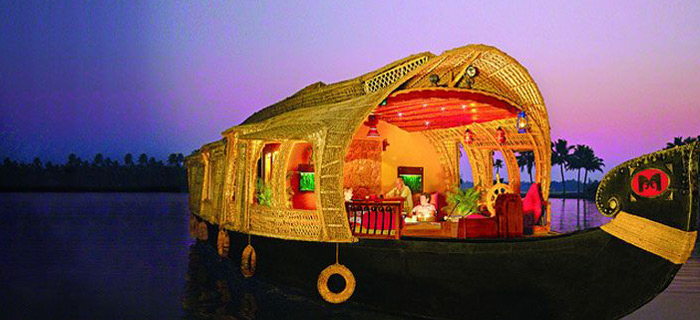
After breakfast check out the hotel and drive for Alleppey, on arrival check in to the houseboat and journey begins to explore backwaters world though sailing boat passing thorough tropical countryside, enjoying view of palm fringed narrow canals winding through the vast expanse of paddy fields and the neat tiny hamlets lined up along either side of the canals are panoramic sights. On the way one can see The Chinese fishing nets, the reminiscent of our past trade links, groups of duck swimming around and colourful birds flying across the sky remains as enduring pictures treasured in our memories, you can try your hands in fishing from the houseboats. In the evening enjoy beautiful sunset from the sun-deck of the houseboats. Enjoy the dinner of your choice cooked and served by the Chef. Dinner and overnight at the houseboat.
Alleppey: a calm backwater town is the center for backwater cruises in Kerala. It has a large network of water canals, which passes through the town, provides its lifeline & has a long sandy beach. Alleppy is also famous for Speculative Nehru Trophy Boat Race, celebrated every year- in month of August, the most colourful and exotic snake boat race in Kerala. The city is known for coir products.
Houseboat: Generated through electricity; with sitting cum dining area, private bedroom with attached English toilets, sun deck and fully loaded kitchen with a Chef, and Srank (Driver).
Backwaters Tours: The mystifying intricate of forty-five rivers that creates around 900 km roundabout lakes, lagoons, canals, estuaries and deltas in the South Indian state of Kerala, This topographical persona blessed the God's Own Country with elaborate water worlds, commonly known as 'backwaters'. Cruising all along the backwaters of Kerala is an ultimate way to discern its implausible foliage, bona fide, affluent ethnicity and wildlife. The tranquil, steep and Sluggish backwaters tour is like inspiring depictions of nature’s beauty witnessed by the tourists.
16 Day: Alleppey – Periyar (140 kms: 4 hrs)
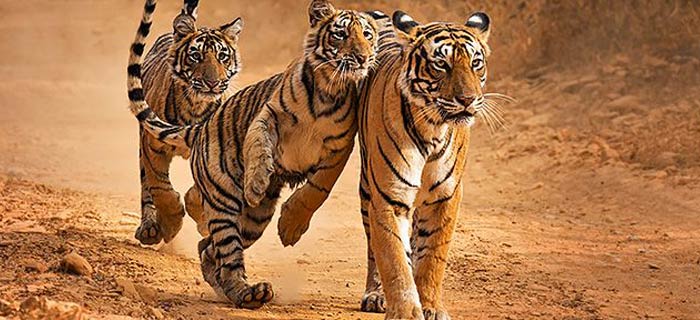
Today morning after breakfast disembark from the houseboat and drive to Periyar (Thekkady), on arrival transfer to the Jungle Resort, after refreshment visit the Periyar Wildlife Sanctuary, explore the park, animals found here are elephant, wild boars and gaur and birds like grey heron and ibis, here you can enjoy elephant safari in the park and boating at Periyar Lake to view animals, if you are lucky one, may see rare tiger as well and bathing elephants. Later take a spice plantation tour to see crops of cinnamon, cardamom, pepper, tea and coffee estates etc. On your way back to the hotel, a stopover to the local spice market to shop some fragrant spices. Dinner and overnight at the hotel.
Periyar: Famous for Periyar Wildlife Sanctuary is located on the bank of Periyar River in Kerala, one of India's biggest wildlife sanctuaries covering 778 square kilometers, this sanctuary also houses Tiger Reserve. Periyar National Park is blend of mercerising charming beauty and affluent nature surroundings. The sanctuary houses sizable population of elephants, also Tiger, Sambars, Bisons, Antelopes and Wild Boars. Here one can enjoy Elephant safari exploring dense forests on the back of Elephant
17 Day: Periyar – Madurai (140 kms: 4 hrs)
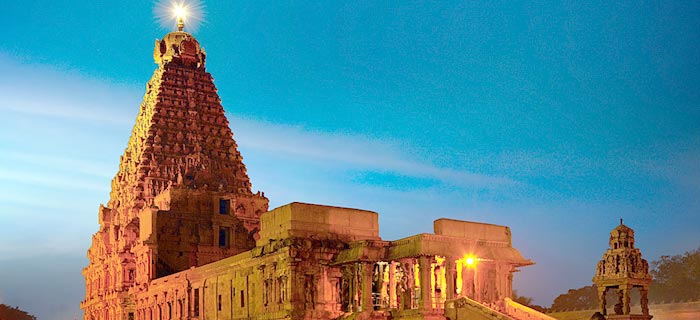
Early morning, check out from the hotel and drive to Madurai. On arrival, transfer to the hotel. After refreshment, visit the Meenakshi Sundareshwar, one of the largest temple complex in India built between the 16th and 18th centuries. Apart from the estimated 33 million sculptures there, the temple is absolutely absorbing with the endless rounds of ceremonies, prostration of countless devotees and glittering market stalls, later visit Tiruparankundram Murugan Temple, Palamuthirsolai Murugan Temple. Also visit the Tirumal Nayak’s Palace, which is in a highly decorative monument. Its enormous roofed arcade supported by 48 – foot high stone pillar, still stands. In the evening visit the Meenakshi temple for the special evening Aarti. Overnight at the hotel.
Madurai with its 2500 year old history is the oldest city in Tamilnadu both historically and as per mythology. Legend says that Madurai was originally called a forest Kadambavanam. Once a merchant saw Indra - the king of Devas (Gods) worshipping a Swayambhulingam under a kadamba tree in the forest. This incident was reported by Dhananjayan (the merchant) to the king Kulasekara Pandian. The king immediately cleared the forest and built a temple around the lingam.
18 Day: Madurai – Rameshwaram (172 kms: 4 hrs)
After breakfast checkout and drive to Rameshwaram. On arrival, transfer to the hotel. Often referred to as the ‘Island of Prayer’, and also considered to Varanasi of the South this major pilgrimage centre is on an island in the Gulf of Mannar. Most of the town’s places to stay and eat are cluttered around the Ramanathaswamy Temple. Built in the 12th century AD, the temple with its awe-inspiring corridors, and the longest in India. Evening visit Adam's Bridge(Ram Setu) the name given to the chain of reefs, sandbanks and islets that almost connects Sri Lanka with India. According to legend, this is the series of stepping stones used by the monkey army, led by Hanuman to cross the ocean in a bid to rescue Sita from the clutch of Ravana. Overnight at the hotel at Rameshwaram.
Rameshwaram is an island separated from the mainland by a small strait of water. Rameshwaram is famous for the Hindu temple dedicated to Lord Rama who, it is believed, had descended on its shores and built a bridge across the Palk Strait to reach Lanka in his quest to rescue Sita from Ravana. Additionally, the temple is famous for being one of the 12 Jyotirlingas of Siva. Lord Rama had constructed a Siva linga in order to offer thanks to the Lord after killing Ravana. Hence, the temple is a sacred site for both Shaivites and Vaishnavites.
19 Day: Rameshwaram – Kovalam (370 kms: 8 hrs)
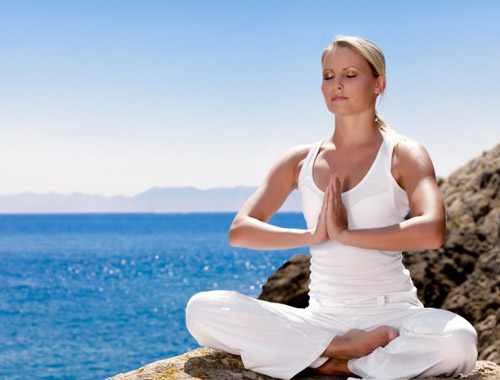
Today morning after breakfast check out the hotel and drive to Kovalam, on arrival transfer to the beach resort. Kovalam is a beach town by the Arabian Sea in Thiruvananthapuram city, there are a large number of beach resorts in and around Kovalam. Rest of the day is free for lesiure and beach acitivties, you can indulge in Yoga rejuvenation; here you can enjoy also skiing, surfing and also kayaking. Enjoy the sunbathing under the tropical sun. Overnight at the beach resort of Kovalam.
Kovalam: a small village on Malabar Coast Line in Kerala and close by to Trivandrum. Kovalam word means - Grove of Coconut tree. Kovalam beaches are seems to be God gifted- very beautiful, sandy and safe beaches with high, strong waves and serge. Kovalam is having 3 beaches: Hawa beach, Samudra beach and Lighthouse beach. Kovalam is also quite poplar for being an Ayurveda hotspot. Almost all resorts and hotels offer Meditations sessions, Ayurvedic treatment and massages, herbal body tinning, yoga, herbal body toning.
20 Day: Kovalam
Today morning after breakfast you can enjoy the day on the sandy beach – may opt for water sports and wellness : Sunbathing, water skiing, Angling, Para- sailing, surfing etc…you may experience renown Ayurveda massage, herbal body toning, treatment offered at most of resorts, this will not give you just relaxation, in fact rejuvenates your body, mind and soul. You can also enjoy special cultural programme and Catamaran Cruising. Overnight at the resort at Kovalam.
Ayurveda, means the science of healthy living, derives its name from the Sanskrit words, AYUSH (LIFE) and VEDA (KNOWLEDGE). It looks at healing in a holistic fashion. The physical treatment has overtones of philosophical and psychological approaches too. Any ailment in the body is viewed as a result of a combination of factors with special reference to the components of diet. It is here that Ayurveda recognizes that each individual is different and so treatment too should be customized.
21 Day: Kovalam – Kanyakumari (90 kms: 2 hrs)
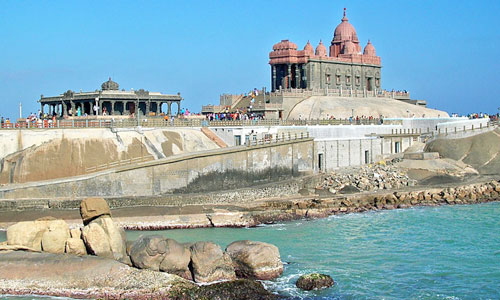
Today morning after breakfast check out the hotel and drive to Kanyakumari. On arrival transfer to the hotel. Watching sun set from here is the big attraction, especially on the full moon day in April, when it's possible to see both the setting sun and rising moon on the same horizon. Other attractions are Kumari Amman Temple, Gandhi Mandapam and Vivekananda Memorial. In the evening enjoy the wonderful view of Sunset from Murugan Kundram hills, later return to the hotel for overnight stay.
Kanyakumari: is also known as Cape Commorin named by British. Kanyakumari in the state of Tamilnadu, The small temple dedicated to Kanyakumari or the youthful form of the primeval energy Shakti (Mother Goddess) is located on the seashore, in the town known by the same name. Kanyakumari is the point of convergence of three oceans –Arabian Sea, Bay of Bengal and Indian Ocean. This well-known Hindu pilgrimage centre is famous for its beautiful sights of sunrise and sunset over the waters on the same horizon.
22 Day: Kanyakumari – Trivandrum (95 kms: 2 hrs) – Home Town
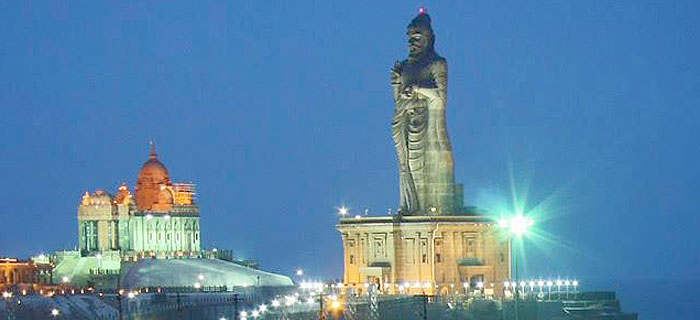
Today early morning enjoy the spectacular SUNRISE, just behind The Vivekananda Rock Memorial and the Thiruvalluvar Statue. Afterwards check out the hotel and drive to Trivandrum airport, enroute visit the famous Sri Padmanabhaswamy Swami Temple is dedicated to Vishnu and is a landmark in the city. Afterwards transfer to the Trivandrum International Airport to board the scheduled flight for home town/onwards journey, on departure the tour concludes with happy memories.
Since the precise cost of a customized tour is subject to specific accommodation choices, travel period (date/month/year), nos of pax travelling together and other custom preferences. However, to enable you to chalk out your holiday plan, we suggest following budget guidelines (minimum 2 people are travelling together & sharing one double room) for a customized tour:
Design your tour with our expertise Plan My Trip